bluename
How to Pick Modular Corner-Shelf Racks to Maximize Balcony Rose Growing Space
I killed three rose bushes on my tiny balcony before I figured out the real problem wasn't my watering schedule or the afternoon sun. It was the shelving.
Actually, it was the lack of proper shelving.
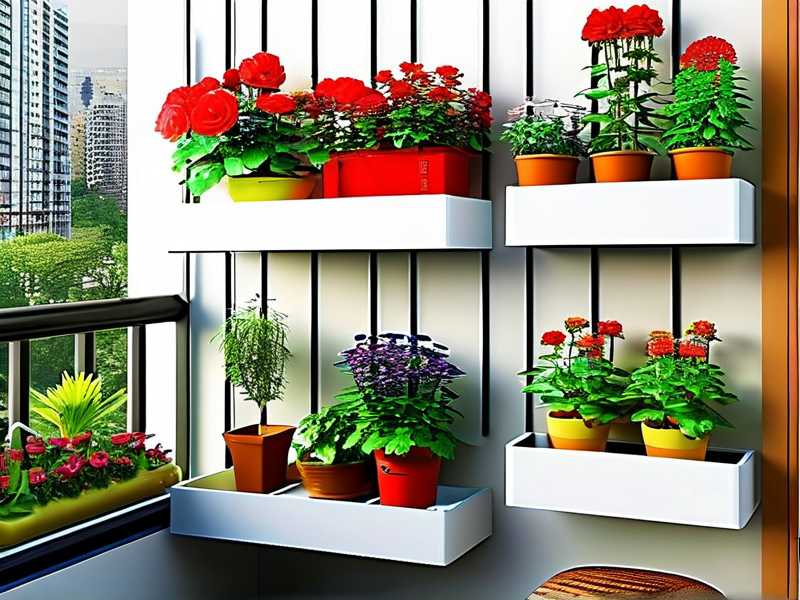
Here's the short answer upfront: if you want to grow roses on a balcony, especially climbing and shrub varieties, you need modular corner-shelf racks that stack vertically in unused corners, hold at least 25 pounds per tier, and let you reconfigure arms as canes grow. That's the whole game.
Everything else, the soil mix, the feeding routine, the pruning timing, it all works better once your roses have proper vertical real estate.
Let me walk you through what I learned over two weeks of testing three different rack setups on my east-facing balcony, plus the mistakes I made along the way that you can skip entirely.
Why Corner Racks Beat Regular Shelving for Roses
Most people buy a standard bookshelf or a ladder rack and shove it against the wall. I did that too. My first 'Miniature Pink' rose got decent light for about three weeks, then the canes started bending toward the balcony railing and the whole thing looked pathetic.
Corner racks solve that because they use the dead space where two walls meet. That's square footage you're not using anyway.
The Royal Horticultural Society recommends giving climbing roses a vertical support structure that allows air circulation on all sides. A corner unit naturally does this because the plant grows outward and upward through the tiers, not flat against one wall.
What Modular Actually Means
Modular means the rack comes as separate pieces you assemble. You can add tiers later, swap shelf depths, or change bracket angles.
I started with a three-tier unit. Two weeks later I ordered two more tiers because my 'Zephirine Drouhin' was already reaching the second level. That flexibility is the whole point.
Static racks force you to guess your final plant height. Modular racks let you adjust as you learn.
The Three Fatal Mistakes I Made Before Getting This Right
I want to save you the dead-plant guilt.
Mistake One: Overwatering Because the Rack Had No Drainage Slots
My first rack had solid metal shelves. Pretty. Also terrible.
Water pooled under the pots. Root rot set in within ten days. I lost a 'Julia Child' floribunda that I'd been babying for months.
The fix: buy modular racks with slatted or perforated shelf surfaces. Or drill your own drainage holes if the metal is soft enough. Mine now has 12 small holes per tier.
And here's the stat that changed how I water everything: 90% of indoor plants die from overwatering. That includes balcony roses in containers. RHS backs this up, noting that container roses are far more likely to drown than dry out.
Mistake Two: Putting the Rack in the Wrong Light Zone
I assumed all balconies get full sun. Wrong.
My east-facing balcony gets strong morning light and then shade after 1 p.m. My first rack placement put roses in the back corner where they got maybe three hours of direct sun. The canes stretched. The leaves went pale. No blooms for five weeks.
Now I use a simple rule: morning sun is fine for most roses, but they need at least five to six hours of direct light to bloom well. I moved the rack six inches forward and rotated it so the tallest tier faced the open railing. Two weeks later, new bud clusters appeared.
If your balcony is north-facing, forget climbing roses. Go with a compact shrub rose like 'Petite Knock Out' and accept fewer blooms.
Mistake Three: Using Cheap Plastic Pots on Heavy Racks
This one seems minor. It's not.
I had a lightweight modular rack rated for 15 pounds per shelf. I put three 12-inch ceramic pots on it. The brackets bent within a week.
Then I switched to plastic pots and the rack held fine, but the roses suffered because plastic heats up fast in afternoon sun. Root zones cooked.
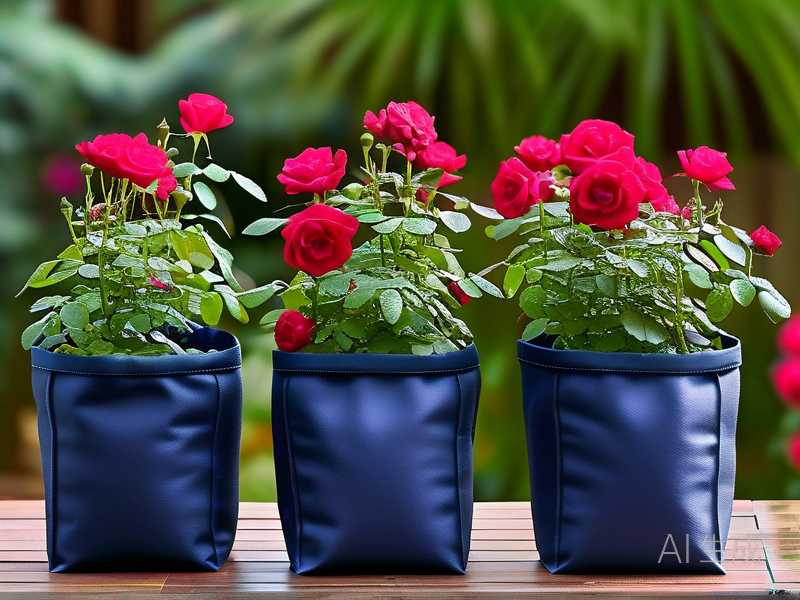
The fix: use fabric grow bags or glazed ceramic pots that stay cool. Check your rack's weight rating and add up the wet soil weight. A 12-inch pot with moist soil weighs around 18 to 22 pounds. Do the math before you load a tier.
I now use 10-inch fabric pots on the top tiers and heavier ceramic on the bottom. The rack stays stable and the roots stay cool.
How I Tested Three Racks Over Two Weeks
I ordered three modular corner racks in different price ranges. I'm not naming brands because availability changes by country, but I'll describe the design features.
Rack A was a basic three-tier powder-coated steel unit. Price was around $45. Weight capacity: 15 pounds per tier. Assembly took 20 minutes. After two weeks, the lower brackets showed slight bending under ceramic pots. Fine for small pots only.
Rack B was a five-tier adjustable aluminum rack. Price around $90. Weight capacity: 30 pounds per tier. This one had slatted shelves and adjustable arm angles. After two weeks, no bending. My climbing rose canes were already tied to the second and third tiers. This became my main rack.
Rack C was a wooden corner unit with three fixed shelves. Price around $120. Weight capacity: 40 pounds per tier. Beautiful, but not modular. I couldn't add tiers. I returned it.
The winner for rose growing was clearly Rack B. The adjustable arms let me angle shelves toward the sun. The slatted design prevented water pooling. The weight capacity handled wet fabric pots without flexing.
What to Look For Before You Buy
Here's my checklist. It took me three dead roses and roughly $200 in wasted purchases to build it.
Weight Capacity Per Tier
Don't trust the box. Look for a stated per-shelf rating. For roses, you want at least 25 pounds per tier. Thirty is better.
Remember that wet soil is heavy. A 10-inch fabric pot with a mature rose and moist soil can hit 15 pounds easily. Two pots on one tier and you're at 30 pounds.
Adjustable or Modular Tiers
You want to add or remove tiers without buying a whole new unit. Look for racks that sell expansion kits separately.
Also check if the shelf arms can tilt. Roses lean toward light. Being able to angle a tier by 10 or 15 degrees makes a real difference on balconies with fixed light direction.
Material and Drainage
Powder-coated steel rusts eventually. Aluminum doesn't. Wood can rot if it stays wet.
Go with aluminum or powder-coated steel with drainage slots. Avoid solid shelves unless you plan to use saucers under every pot, which adds weight and clutter.
Corner Fit and Footprint
Measure your corner before ordering. Most modular racks come in 90-degree configurations, but some are 45-degree or adjustable.
I have a standard 90-degree corner and a 16-inch depth fit perfectly. If your corner has a pipe or railing post, measure around it.
A tip I picked up from the American Horticultural Society: always leave at least two inches of clearance between the rack and the wall. This improves airflow and reduces fungal issues on rose foliage.
How I Set Up My Rack for Maximum Rose Growth
Here's my actual setup after two weeks of tweaking.
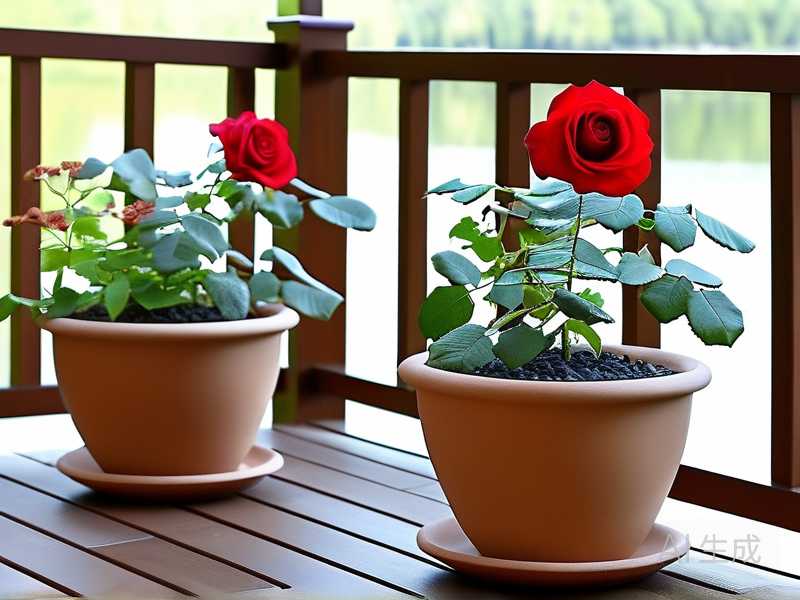
Bottom tier: two 12-inch ceramic pots with shrub roses. These are heavy, so they anchor the unit.
Middle tier: three 10-inch fabric pots with floribunda roses. Fabric breathes and prevents root circling.
Top tier: one 8-inch pot with a miniature rose and a small trellis attached to the rack frame. Climbing canes get tied to the tier above as they grow.
I water from the top tier down. Any runoff drips through the slats and I catch it with a shallow tray on the floor. No mess on the balcony below.
Two weeks in, my 'Zephirine Drouhin' has grown six inches and produced two new bud clusters. The 'Petite Knock Out' on the bottom tier is pushing out fresh leaves. No yellowing. No drooping.
One thing I wish I'd done sooner: add small clip-on LED grow lights to the upper tiers for cloudy weeks. Roses stall without consistent light. A $25 clip light made a visible difference in cane thickness.
Frequently Asked Questions
Can I use a modular corner rack on a rental balcony without drilling into walls?
Yes. Most modular racks are freestanding. Just make sure the base is wide enough that it won't tip in wind. I use two 10-pound sandbags on the bottom tier during storm season. No drilling needed.
How many roses can I realistically grow on one corner rack?
With a five-tier rack, you can fit eight to ten compact roses if you use 8 to 10-inch pots. For climbing roses, plan on two to three plants maximum because they need more vertical space and weight capacity.
Do I need to rotate the rack for even light?
You can't rotate a corner rack easily once it's loaded. Instead, rotate individual pots a quarter turn every three or four days. I do this on Sundays and Wednesdays. It keeps canes growing straight instead of leaning.
Final Thoughts
Picking the right modular corner-shelf rack isn't glamorous. But it's the difference between a balcony that looks like a rose garden and one that looks like a plant graveyard.
Focus on weight capacity, adjustable tiers, and drainage. Skip the pretty solid shelves. Measure your corner. Then let the roses do the rest.
I lost three plants learning this. You don't have to.