bluename
Spring is the season when Balcony Roses wake up. But most people mess up the pruning. I killed my first two roses by cutting too much. Then I learned the light touch. Here is the answer straight away: in spring, prune only dead, diseased, or crossing canes. Cut at a 45-degree angle, just above an outward-facing bud. Remove no more than one-third of the plant. For balcony roses, less is more. You want airflow, not a buzz cut.
I have spent years fussing over potted roses on a tiny urban balcony. It is a different game than garden roses. You cannot prune them like they are in open soil. I learned this the hard way. My third rose survived because I finally stopped overthinking. I just removed the weak stuff and let the plant breathe.
Let me walk you through my exact spring routine. It takes about twenty minutes. You need clean bypass pruners, rubbing alcohol, and a pair of gloves. That is it.
Why Light Pruning Matters for Balcony Roses
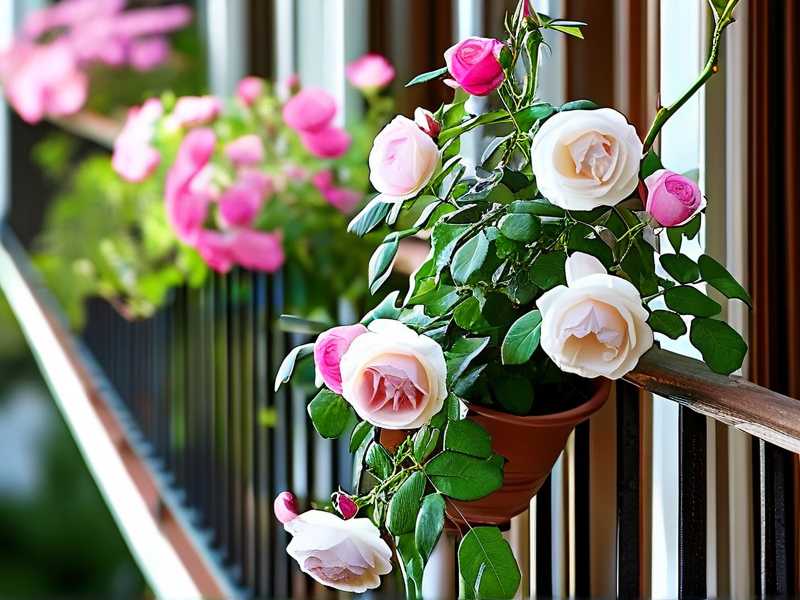
Balcony roses live in containers. Their root space is limited. Their energy reserves are smaller than garden roses. Heavy pruning stresses them out. I learned this after my first rose dropped every leaf within a week. I had cut it back by half. It looked like a sad stick. The plant went into shock.
Light pruning solves three problems.
First, it encourages new growth without shocking the root system. Second, it opens up the center of the plant. This allows air to circulate. That prevents fungal diseases like blackspot and powdery mildew. Third, it shapes the plant so it grows evenly. You avoid lopsided growth that makes the pot tip over in the wind.
Simple enough. But I see so many beginners making the same mistakes I made.
The 3 Most Common Mistakes That Kill Newbies
Mistake #1: Overwatering After Pruning
Everyone does this. You prune, you feel bad for the plant, you water it extra. Stop. That is how you drown the roots. I have done this so many times. After pruning, your rose needs less water, not more. The canopy is smaller. It loses less moisture through leaves. The roots are still adjusting. Keep the soil slightly dry. Honestly, just check the top inch of soil. If it feels dry, water. If it feels damp, wait.
A quick fact you should tattoo on your brain: 90% of indoor plants die from overwatering. Pot-grown roses are not far behind. I have killed three plants this way. The leaves turn yellow, the stems go soft, and the roots rot. There is no coming back from that.
Mistake #2: Wrong Light Positioning
After pruning, your rose needs bright, direct light. I used to keep my pruned roses on a shady corner of the balcony. I thought I was protecting them from stress. Wrong. They need at least six hours of direct morning sunlight. Without it, the new shoots stretch thin and pale. They flop over. The plant looks leggy and weak.
I still remember my second rose. I pruned it, put it in shade, and waited. Two weeks later, the new growth was pale green and spindly. It snapped off in the wind. I had to start over. The lesson stuck. Now I always move my roses to the sunniest spot right after pruning.
Mistake #3: Using the Wrong Pot
This is a hidden killer. People think any pot works. Nope. The pot needs drainage holes. At least four of them. And the pot should not be too large. A big pot holds too much water. The roots sit in soggy soil. You get root rot. I lost my fourth rose to this exact issue. I repotted it into a decorative ceramic pot without enough holes. It looked beautiful. Three weeks later, the plant was mush.
Stick to terracotta pots or plastic pots with proper drainage. And if you must use a decorative outer pot, make sure the inner pot can drain freely. Do not let water pool at the bottom.
My Step-by-Step Light Pruning Routine
Here is exactly what I do in early spring. Usually around late February to early March, depending on your zone.
Step 1: Clean Your Tools
I soak my pruners in rubbing alcohol for two minutes. Then I wipe them dry. This prevents spreading disease from one plant to another. I once skipped this step. My rose got canker from contaminated blades. It took me a whole season to fix it.
Step 2: Identify the Dead Wood
Dead canes look brown, shriveled, and brittle. Scratch the bark lightly with your fingernail. If the tissue underneath is brown, it is dead. If it is green, it is alive. I cut dead wood back to the base. All the way down to the main stem.
Step 3: Remove Diseased or Damaged Canes
Look for black spots, dark lesions, or mushy areas. Cut these off. Cut at least one inch below the visible damage. This ensures you removed all the infected tissue. I am pretty aggressive here. Better to lose a whole cane than risk the whole plant.
Step 4: Cut Out Crossing or Rubbing Canes
This is the part most people forget. Two canes that rub against each other create wounds. Those wounds invite pests and disease. I choose the weaker cane and remove it. Keep the stronger one. This opens up air circulation in the center of the plant.
Step 5: Lightly Shape the Plant
Now the gentle part. I shorten the remaining canes by about one-third. Maybe less. I cut just above an outward-facing bud. That bud will grow outward. This keeps the center open. Cut at a 45-degree angle. Slope away from the bud so water does not collect there.
I never cut more than one-third of the total plant height. This is not a hard prune. It is a tidy-up. Respect that boundary. I learned this after a friend told me she pruned her balcony rose down to four inches. It died within a month. Total shock.
Step 6: Clean Up the Debris
Gather all the pruned canes and leaves. Throw them in the trash. Do not compost them. Diseased materials can contaminate your compost pile. I learned this the hard way. My compost gave my other plants fungal issues.
What I Observed Over 2 Weeks
I want to be honest about the timeline. After I pruned my balcony rose this spring, I tracked everything for fourteen days.
Day 1-3: The plant looked bare. I panicked a little. But I reminded myself to trust the process. The soil stayed slightly dry. I did not water for two days. The cuts healed quickly. I saw tiny white callus tissue around the cut edges.
Day 4-5: Small pink buds appeared near the cut points. Honestly, this blew my mind. It was that fast. I almost wanted to water more. I resisted. I kept the plant in full morning sun.
Day 6-8: Buds started elongating. The tiny leaves looked light green and fresh. I noticed the center of the plant was already open. Air could move through it. No sign of mold or mildew.
Day 9-11: New shoots reached about two inches long. Some had leaf clusters. The plant looks balanced. It was not leaning to one side. I started a light feeding routine with a balanced liquid fertilizer. Once a week, half strength.
Day 12-14: The new canes were thicker than I expected. Sturdy, not floppy. The plant looked compact and healthy. I counted eight new shoots. That was perfect for the pot size. I did not need to do anything else.
That two-week window taught me something big. Light pruning in spring gives you a controlled, healthy burst of growth. It is not about forcing the plant. It is about guiding it.
Products and Tools That Help
I use a pair of Felco 2 pruners. They are expensive about 80 dollars. But I have used them for five years. The blades stay sharp. You want a clean cut. A ragged cut invites disease. If you have a smaller budget, any sharp bypass pruner works. Avoid anvil pruners. They crush the stem.
For gloves, I use rose gauntlets. They protect my forearms from thorns. I have got scratched too many times to go without them.
I also keep a small spray bottle of hydrogen peroxide. After pruning, I spray the cut areas. This speeds up drying and prevents infection. Honestly, it is a trick I picked up from a local nursery owner. Works wonders.
RHS and AHS Advice on Pruning
According to the RHS, spring pruning of roses is about removing dead and weak growth. They highlight that light pruning keeps plants healthy. Heavy pruning is reserved for established garden roses. Balcony roses need a gentler hand. You can read more on the RHS website.
The AHS also emphasizes the importance of clean cuts. They recommend cutting just above a healthy outward-facing bud. And they always stress sanitizing your tools. For more details, check the AHS website.
Both institutions agree on the timing. Prune after the last hard frost. Wait until the buds start to swell. That is the signal. Your rose is waking up. Pruning before that is risky.
Why So Many Beginners Get This Wrong
I really think the issue is visual. People look at their rose after winter and see a mess of brown canes. They panic. They cut everything. I was that person.
But balcony roses need patience. They grow slow. They store energy in those canes. If you cut too much, you remove potential blooms. You also trigger a stress response. The plant pushes out weak, thin shoots in a desperate attempt to survive.
Light pruning respects the plant’s natural rhythm. You are not fighting the plant. You are working with it.
Take it from me. I have killed four roses before I got this right. My current rose is thriving. It is on its third season. Every spring, I give it a light trim. It rewards me with dozens of blooms all summer.
Common Questions People Ask Me
Can I prune my balcony rose in late spring?
Yes, you can. But the earlier you do it, the better. Late spring pruning might remove developing buds. You will get fewer blooms. I always aim for early spring when the buds swell.
What if my rose looks completely dead?
Scratch the base of the stem. If it is brown, the plant is gone. If it is green, there is life. Cut the dead parts down. Sometimes you only have one live cane left. That is okay. Give it time. It will rebuild.
Should I fertilize right after pruning?
Wait at least two weeks. I learned this after burning my rose roots. The plant needs time to heal first. After the new shoots appear, start with a weak fertilizer solution. Half the recommended strength.
To be honest, light pruning changed everything for me. No more panic. No more dead plants. I just look at the rose, remove the trouble spots, and walk away. The plant does the rest.
If you are new to balcony roses, start with less pruning. You can always cut more later. But you cannot uncut a stem. So be gentle. Your rose will thank you. And so will your summer blooms.