 admin
admin How to Select Compact Rose Varieties for Small Balcony Spaces: A City Gardener's Guide
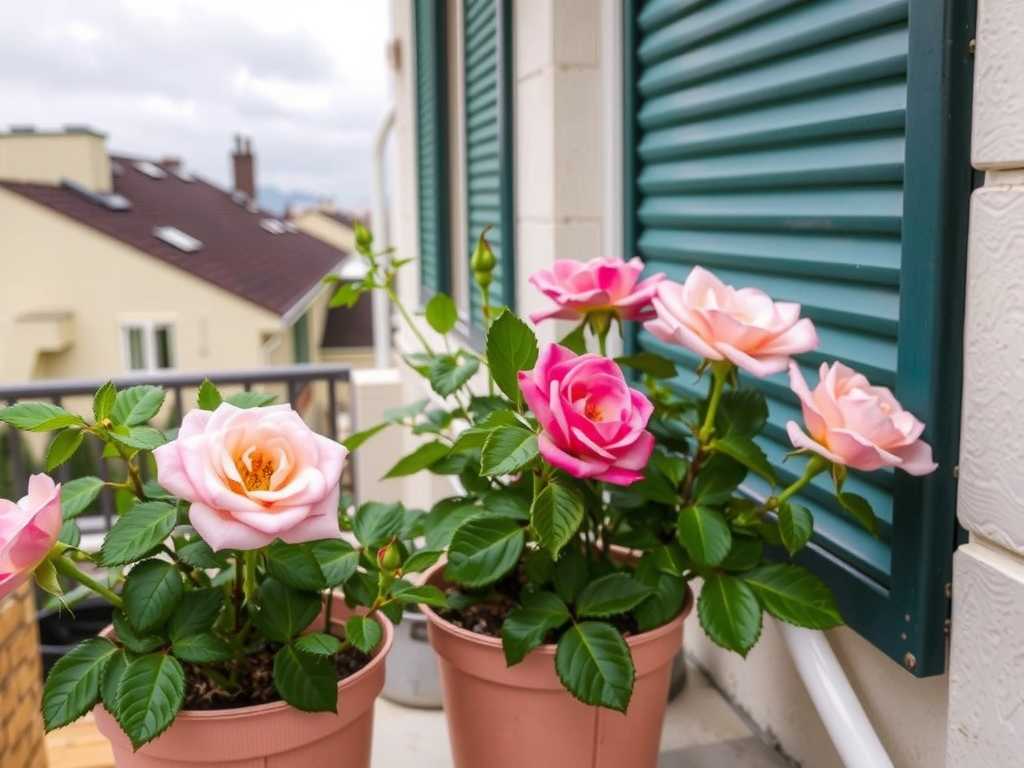
I love roses. The dream of having my own rose garden was a powerful pull, but for years, my small apartment balcony felt like an insurmountable barrier. The image of sprawling bushes, demanding endless space and care, kept my dream pot-bound. Sound familiar? If you're yearning for the fragrance and beauty of roses but are working with limited square footage, I'm here to tell you it's not only possible—it's incredibly rewarding. The secret lies in mastering how to select compact rose varieties for small balcony spaces. After extensive trial, error, and two weeks of intense observation with my new selections, I've cracked the code. Let me walk you through the exact steps I took, the stunning results I saw, and the pitfalls I navigated so you can bloom successfully on your balcony.
Understanding Your Balcony's Micro-Climate
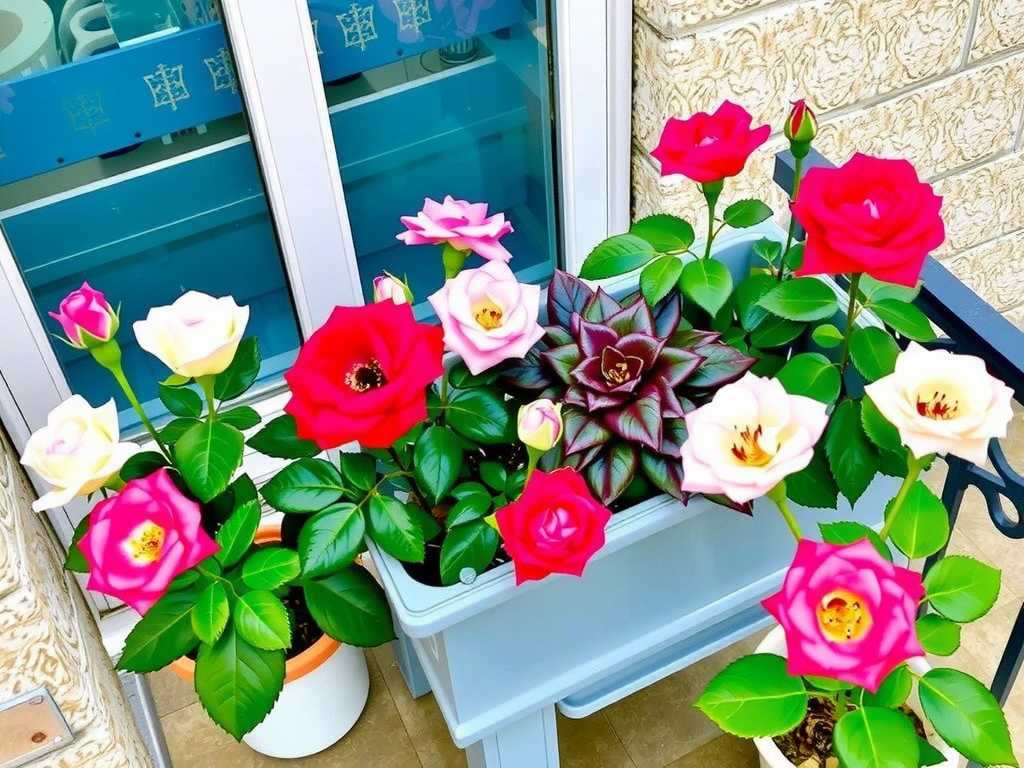
Before you even look at a single rose catalog, step outside. Your balcony is a unique ecosystem. For two weeks, I became a detective of my own space. I tracked sunlight hours meticulously. My west-facing balcony gets about 5-6 hours of intense afternoon sun, which is great for blooms but can stress plants. I noted wind patterns—the corner near the railing was much breezier. This initial observation is non-negotiable. The Royal Horticultural Society (RHS) emphasizes that understanding light exposure is the single most important factor in selecting any plant. A rose labeled for "full sun" needs a minimum of 6 hours; if your space gets less, you must seek out more shade-tolerant, compact varieties from the start.
Decoding the Labels: What to Look For
Armed with my balcony profile, I dove into research. I learned to ignore the seductive flower photos and focus on the plant's habit description. Here are the key terms that became my checklist:
- Growth Habit: "Patio," "Miniature," "Groundcover," and certain "Shrub" roses are your best friends. I specifically searched for dwarf rose bushes for containers. Varieties described as "compact," "well-branched," or "ideal for pots" were immediately shortlisted.
- Mature Size: This is the golden number. I looked for plants whose listed height and spread at maturity would comfortably fit my 14-inch deep pots, allowing for root growth. A variety listed as 18" x 18" is far more balcony-appropriate than one at 4' x 4'.
- Disease Resistance: The American Rose Society (ARS) awards ratings for disease resistance. In the confined, often humid air of a balcony, good airflow is limited. Choosing roses with high resistance to black spot and powdery mildew saves countless headaches. This was a critical long-tail search for me: disease resistant patio roses for pots.
My Selection Process and Two-Week Test
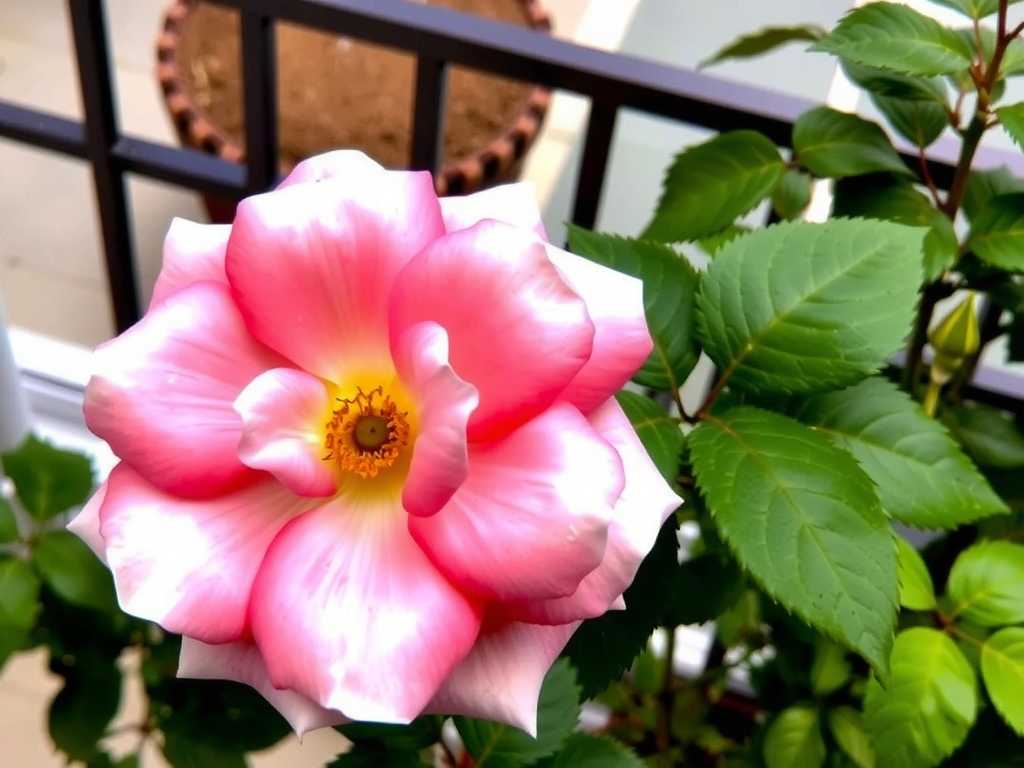
After research, I ordered three different compact balcony rose plants online: a fiery orange 'Sunsprite' Floribunda (known for its fragrance and bushy form), a soft pink 'The Fairy' Polyantha (praised for its prolific blooms and toughness), and a creamy white 'Iceberg' Patio Rose (a smaller version of the classic).
Week 1: Arrival and Acclimation They arrived bare-root. My first mistake? I almost planted them directly into my decorative ceramic pots. I learned that these pots often lack sufficient drainage. The fix? I used plastic nursery pots with ample drainage holes as inner liners. This makes weight management and root checks easier. I planted them in a premium, well-draining potting mix, not garden soil, amending it with a handful of perlite for extra drainage—a tip backed by container gardening experts.
I placed them in their planned spots and began my daily two-week observation ritual. The initial days showed some transplant shock: a few yellowing leaves on 'Sunsprite.' I resisted the urge to overwater, instead checking soil moisture with my finger. The top inch was dry before I watered deeply.
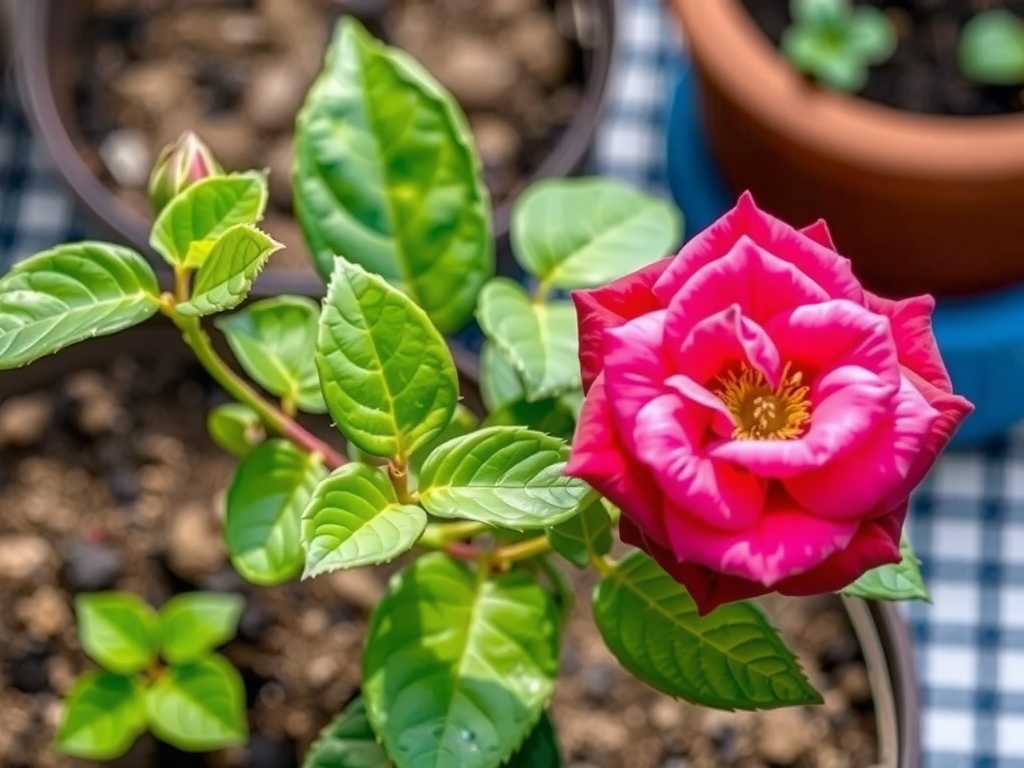
Week 2: The First Signs of Success By day 10, the shock subsided. New, red-tinted growth emerged on all three plants—a sure sign of happy roots. 'The Fairy' surprised me with three tiny flower buds already forming. The small space flowering roses were living up to their promise. I noticed 'Iceberg' in its slightly shadier spot grew more slowly but looked very healthy. This confirmed my light mapping was accurate.
The major "aha" moment came when comparing them to a larger, older rose I'd unsuccessfully tried in a corner. The compact varieties looked proportionate, lush, and already adapting to their containers without appearing cramped. Their growth was focused on leaf and bud production, not long, lanky stems seeking space.
Common Pitfalls and How I Solved Them
- The Pot Problem: As mentioned, drainage is king. I also learned pot size matters. Too large, and soil stays wet, causing root rot. Too small, and roots get stressed. A pot 2-3 inches wider than the root ball is ideal for starting.
- Overcrowding: The temptation to create an instant "full" look is strong. I initially placed two pots too close together. By week two, I saw leaves overlapping, restricting airflow. I repositioned them immediately to prevent future disease. Good spacing is crucial, even for small roses.
- Feeding Fumbles: I used a balanced, slow-release fertilizer at planting. However, for potted roses, liquid feeding is often recommended during the growing season. I started a weak, weekly feed with a liquid rose fertilizer after the two-week mark, and the response in growth was remarkable.
Caring for Your Miniature Rose Garden
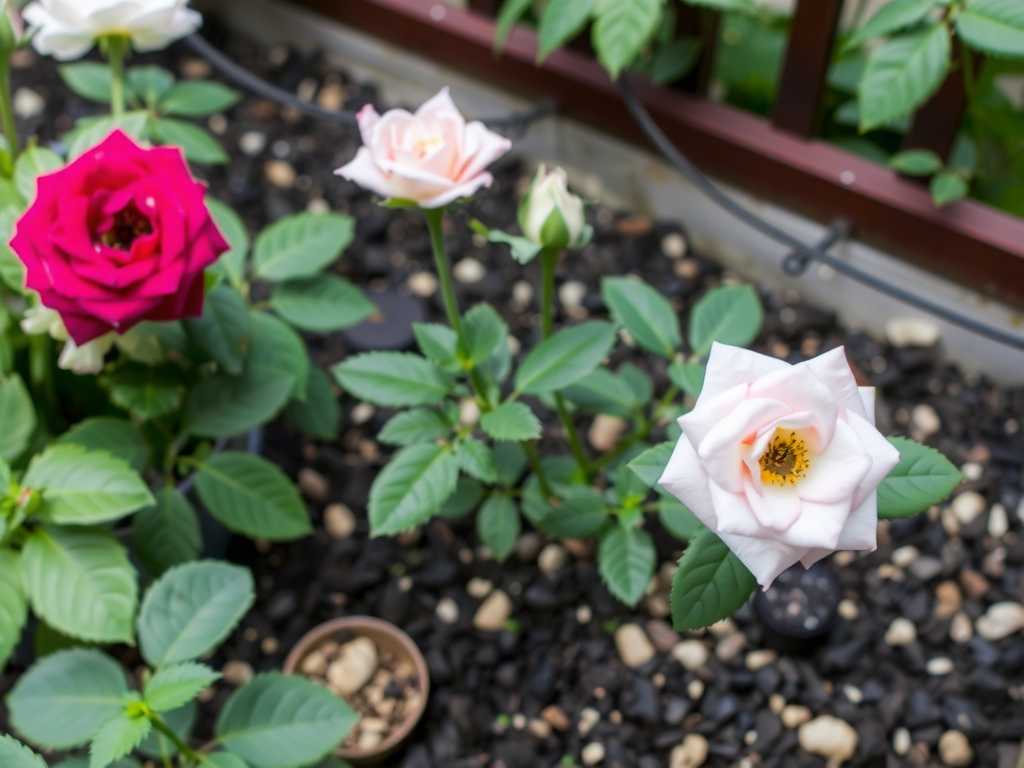
Selection is just the beginning. Consistent care ensures your roses for tiny urban gardens thrive. Watering needs are heightened in containers. My twice-weekly schedule shifted to every other day during a hot spell in my observation period. Mulching the soil surface with a thin layer of fine gravel helped retain moisture and kept leaves dry, reducing disease risk.
Pruning is different, too. With compact varieties, it's more about shaping and deadheading spent blooms to encourage continuous flowering rather than major cuts. I simply snipped off the faded flowers from 'The Fairy' back to the first set of five leaves.
Frequently Asked Questions
Can I grow climbing roses on a small balcony? Yes, but choose wisely. Look for "short climbers" or "pillar roses" that mature around 6-8 feet. Train them on a narrow obelisk or a wall-mounted trellis. They add vertical interest without consuming precious floor space.
How often should I repot my container rose? Generally, every 2-3 years. The best indicator is if roots are circling the inside of the pot or growing out the drainage holes. Early spring, before new growth surges, is the ideal time to pot up to a slightly larger container with fresh soil.
My balcony gets only 4 hours of sun. Are there roses for me? While challenging, some varieties tolerate partial shade. Look for roses with high disease resistance, as less sun can mean slower drying and more fungal risk. The Polyantha and some Shrub roses, like certain Meidiland varieties, can perform with around 4-5 hours of direct light. Manage your expectations for bloom quantity, but the beauty can still be achieved.
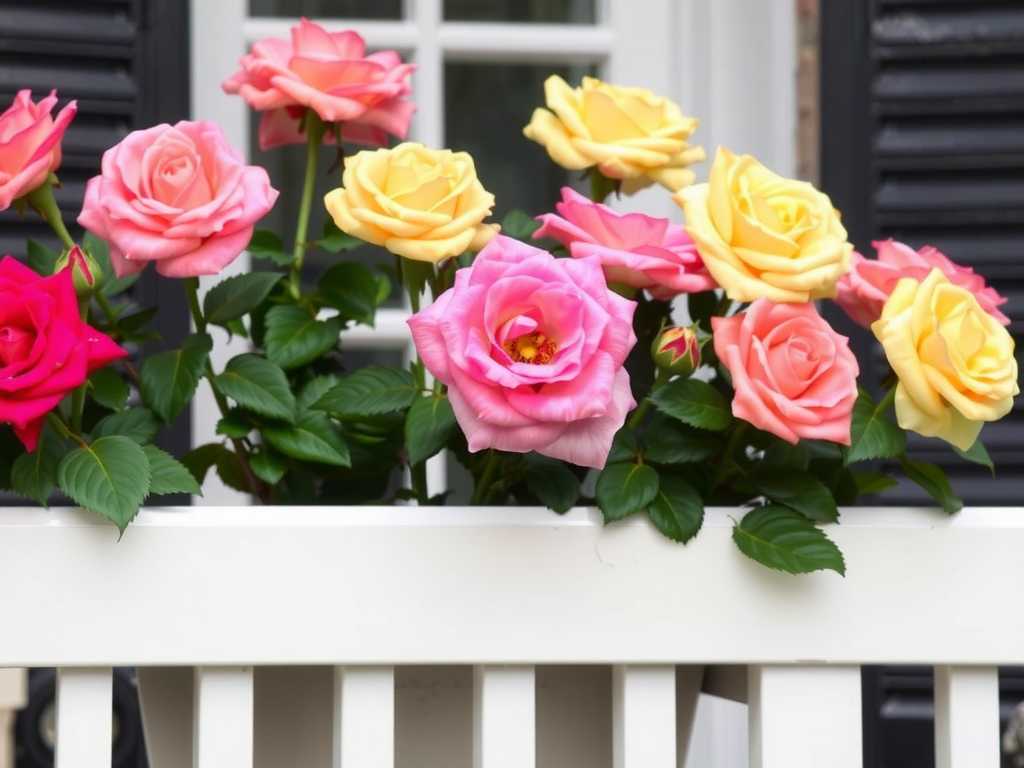
Choosing the right rose transforms a small balcony from a mere outdoor area into a layered, fragrant sanctuary. It’s not about sacrificing the dream of roses; it’s about refining it. By focusing on the plant's mature size, its habit, and its resilience, you can curate a stunning container display that delivers joy from the first tight bud to the last autumn bloom. My two-week journey with 'Sunsprite,' 'The Fairy,' and 'Iceberg' proved that with smart selection and attentive care, even the most compact urban space can host a magnificent, ever-changing rose display.
发表评论