 admin
admin How to Adjust Light Duration for Balcony Rose Growth: A 2-Week Experiment from a Passionate Gardener
I love my balcony roses. They bring a vibrant splash of color and a sense of quiet achievement to my urban space. But for years, I struggled with a common problem: my roses would grow tall and leggy, with fewer blooms than I hoped for, or their leaves would show signs of scorch. I knew light was the issue, but I wasn't sure how much was truly "full sun" on a balcony that gets shifting shadows. The precise light duration for balcony rose growth felt like a mystery. So, I decided to turn my balcony into a personal lab. I committed to a focused, two-week experiment to learn exactly how to adjust light duration for balcony rose growth and document the real, observable changes. This is my journey from confusion to clarity.
Understanding the "Why": Light's Role Beyond Simple Hours
Before adjusting anything, I had to move past just counting hours. Roses need light for photosynthesis, but the quality and intensity matter as much as the duration. The American Rose Society (ARS) emphasizes that most modern roses require a minimum of 6-8 hours of direct, unfiltered sunlight for optimal flowering. On a balcony, "direct" is tricky. A wall can reflect heat, a overhang can create dappled shade, and buildings can block the morning or afternoon sun entirely.
My goal wasn't just to hit an hour target. It was to provide the most beneficial light schedule. I identified two key long-tail concepts for my experiment: optimizing sunlight exposure for potted roses and managing light cycles for blooming balcony plants. I had three rose varieties: a sun-loving Floribunda, a hybrid tea, and a more shade-tolerant shrub rose. This mix would give me a broader view.
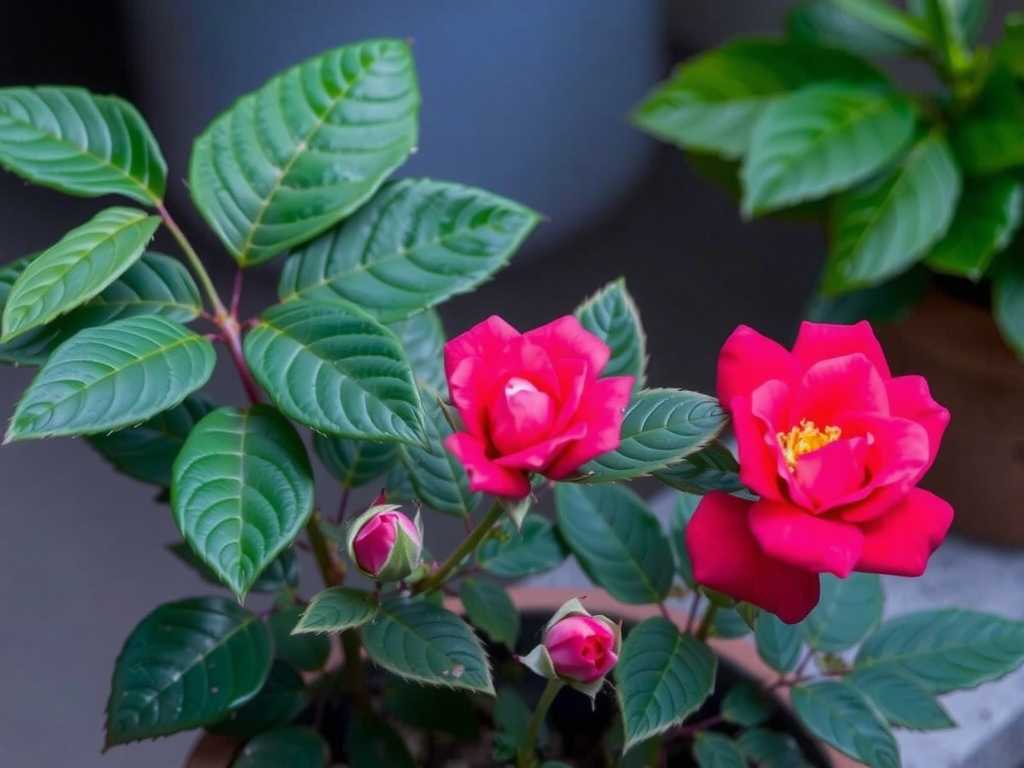
Week 1: Mapping, Measuring, and Making Initial Adjustments
Step 1: The Baseline Audit (Days 1-3) I didn't change a thing at first. My task was pure observation. I created a simple sun map. From 7 AM to 7 PM, I marked on a diagram exactly where the sunlight fell on my balcony every hour. I used a light meter app on my phone (knowing it's not lab-grade, but good for relative comparisons) to note intensity. The shocker? My prized hybrid tea, which I thought was in a prime spot, only received 4.5 hours of true, direct sun. The rest was bright, but indirect, light. The Floribunda fared better with nearly 7 hours. This was my first "aha" moment and the core pain point: assumption versus reality.
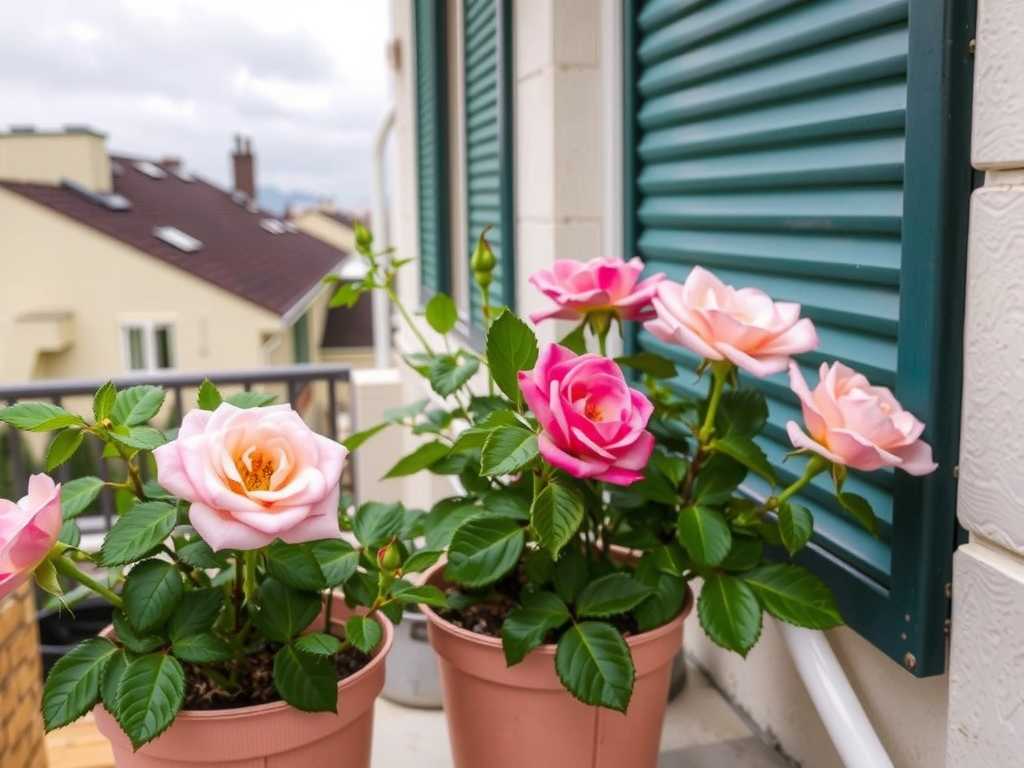
Step 2: Strategic Repositioning (Days 4-7) Armed with my sun map, I started to adjust light exposure for healthy rose development. I moved the hybrid tea to the railing's edge, sacrificing a bit of aesthetic grouping for a sunnier position. I raised the Floribunda on a plant stand to catch earlier morning rays over the balcony wall. The shrub rose I left as my control, in its original, partly shaded spot. I also noted the intense afternoon heat on the west-facing corner. A report from the Royal Horticultural Society (RHS) warns that afternoon sun can sometimes be too intense, leading to moisture stress and petal burn. I introduced a sheer shade cloth for that area during peak afternoon hours (2 PM - 5 PM), not to block light entirely, but to diffuse its harshness.
The First Week's Observations: By Day 7, I saw subtle but promising signs. The hybrid tea showed a noticeable firming up of its new, young stems—they were less floppy. The Floribunda had a surge of new, deep red growth at its base. My control shrub rose looked unchanged. However, I hit my first major坑 (pitfall). The moved plants dried out much faster. I had severely underestimated their increased water needs. One afternoon, the hybrid tea wilted dramatically. My solution was immediate and crucial: I implemented a finger-test watering routine every morning and installed simple clay pot saucers filled with water to increase local humidity.
Week 2: Refining the Cycle and Witnessing Transformation
Step 3: Fine-Tuning the Daily Light Cycle (Days 8-14) Now that the plants were in better positions, I focused on creating an ideal light schedule for container roses. This meant being a guardian of their light. I used a timer for my balcony's supplemental LED grow light (a broad-spectrum, low-wattage panel) to fill in the gaps. For the hybrid tea, if it only got 6 hours of natural direct sun, the grow light would provide a gentle 2-hour "extension" in the early evening, mimicking a longer summer day. I was careful not to use it all night, as roses, like most plants, need a dark period for respiration.
I also became meticulous about leaf cleaning. Dust on leaves, a common issue in cities, can block up to 10% of available light. A weekly gentle wipe with a damp cloth became part of my routine, a simple trick with a noticeable impact on light absorption.
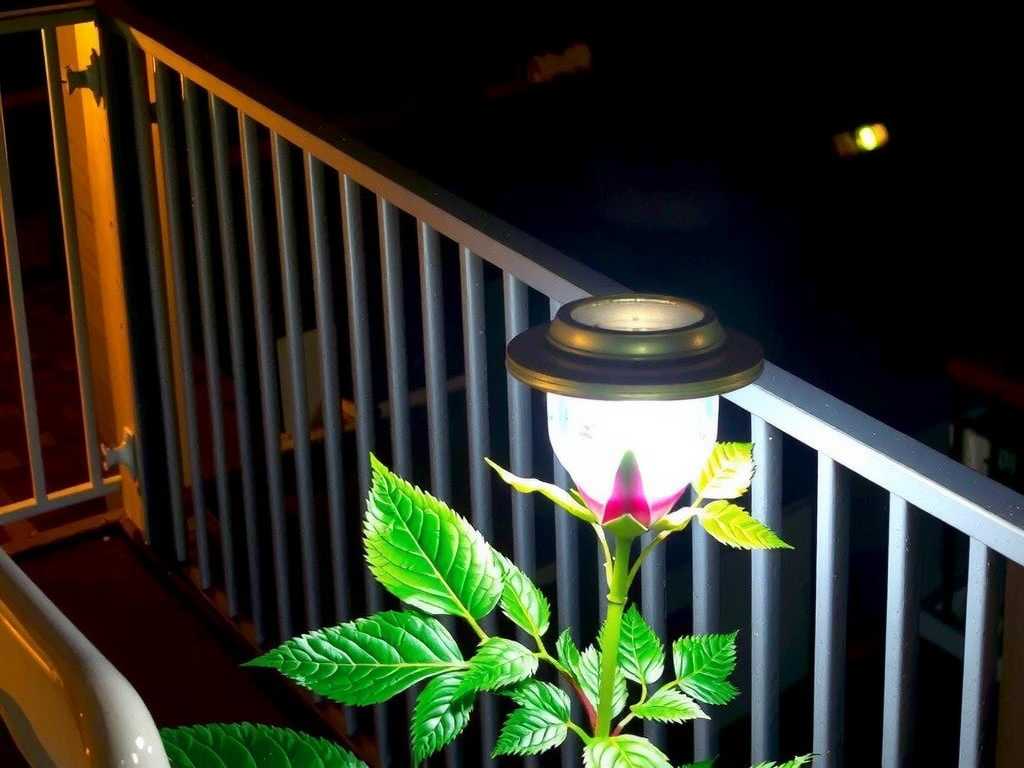
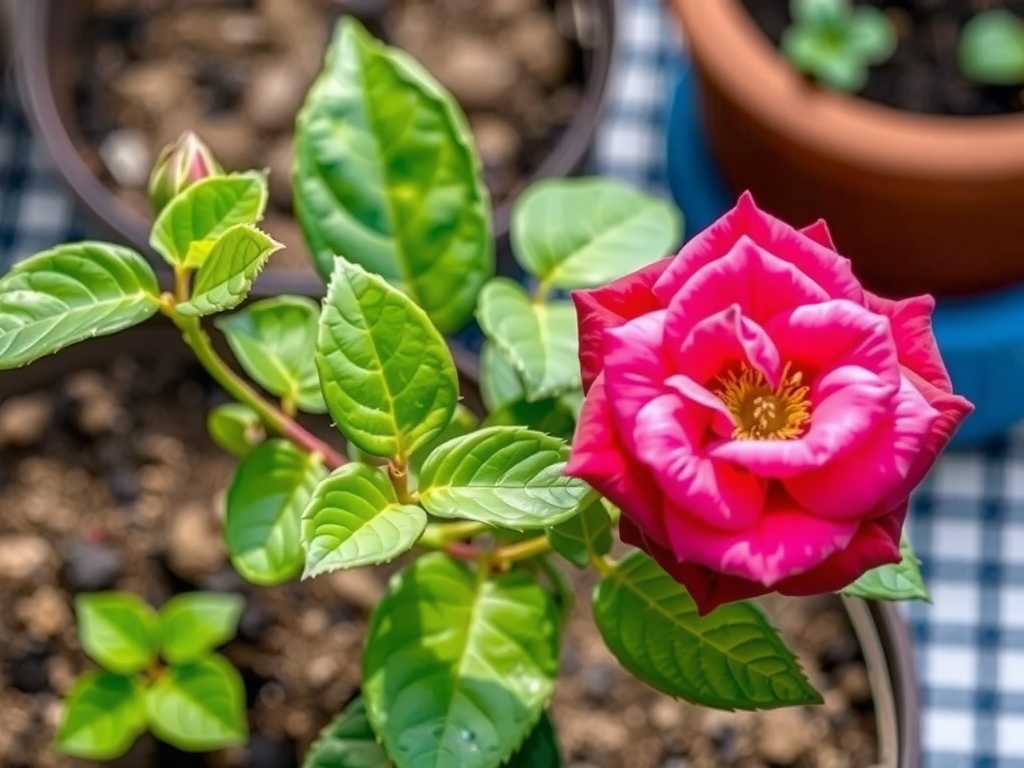
The Second Week's Results: The changes from Day 8 to Day 14 were undeniable. The hybrid tea, once struggling, had not only perked up but was pushing out a visible flower bud—its first in weeks. The color of the leaves on all repositioned plants deepened to a lush, healthy green, a sign of improved chlorophyll production. The Floribunda's new growth was vigorous and compact, not stretched out. Most tellingly, the control shrub rose in the lower-light spot began to show the faintest yellowing on a few lower leaves, a classic sign it wanted more energy than it could capture. There were no more signs of leaf scorch on the plants under the diffused afternoon light.
The Key Takeaways and Solutions to Common Pitfalls
My two-week journey taught me that adjusting light is a dynamic process, not a one-time setting. Here are the critical lessons and fixes for the problems I encountered:
-
Pitfall: Assuming "Bright" Equals "Direct Sun."
- Solution: Conduct a physical sun audit. No app or guesswork replaces physically tracking the light over several days. A simple diagram is your most valuable tool.
-
Pitfall: Neglecting Water and Nutrient Demands.
- Solution: More light directly increases metabolic rate. The moment you increase a plant's sun exposure, increase your watering vigilance and consider a slightly more frequent, diluted feeding schedule. It's a package deal.
-
Pitfall: Overlooking Light Quality and Heat.
- Solution: Use diffusion for harsh afternoon sun. Sheer curtains or shade cloth can prevent scorching. Remember, the goal is beneficial photons, not a heat bake-off. The RHS advises that morning sun is generally more beneficial as it dries dew quickly, reducing disease risk, without the extreme heat stress of late-day sun.
-
Pitfall: Forgetting the Roots.
- Solution: A pot baking in the sun has hot roots. Light-colored pots or placing pots inside slightly larger ceramic cache pots can insulate roots from excessive heat, ensuring the energy from your carefully managed light goes to growth, not surviving root stress.
Your Questions, Answered
Can I grow roses on a north-facing balcony? Yes, but you must manage expectations and choose wisely. A north-facing balcony receives no direct sun, only bright indirect light. You must select varieties specifically bred for shade tolerance (like some Floribundas or the 'Sweet Drift' groundcover rose). Supplemental grow lights will be almost essential to encourage any meaningful blooming. Focus on foliage health as your primary success metric.
Is a grow light necessary for balcony roses? Not always, but it is a powerful tool for optimization. If your audit shows you have less than 6 hours of direct sun, a full-spectrum LED grow light used to supplement morning or evening hours can be the difference between survival and spectacular blooming. It gives you complete control to manage light cycles for blooming balcony plants.
How do I know if my roses are getting too much light? The signs are clear: leaves become bleached, whitish, or develop crispy brown patches (scorch). Flowers may fade extremely quickly or have burned edges on petals. The soil dries out impossibly fast. If you see this, provide afternoon shade or move the plant to a spot with gentler morning light. It's about finding the sweet spot between duration and intensity.
Adjusting light duration transformed my balcony rose care from a guessing game into a science. It required two weeks of close observation, a willingness to move things around, and an understanding that light, water, and nutrients are a tightly linked trio. By mapping my sunlight, repositioning my pots, diffusing harsh rays, and adapting my care routine, I saw tangible improvements in stem strength, leaf color, and bud formation. Your balcony is unique. Start with the audit, be ready to adapt, and your roses will show you exactly what they need.
发表评论