 admin
admin How to Choose Rose Varieties with Long Flowering Periods for Balconies
I love my balcony garden. It’s my personal oasis. But for years, I struggled with one specific dream: having roses that bloomed not just in a glorious, fleeting burst, but continuously from spring until fall. I tried a few random potted roses from the garden center, only to be disappointed by sparse, short-lived flowers. The quest for truly long flowering periods on a balcony is a real challenge. You’re dealing with limited root space, specific sun exposure, and the need for plants that are both beautiful and resilient. After extensive research, trial, and error, I’ve finally cracked the code. This guide is the result of my hands-on journey to find the best rose varieties for long-lasting balcony color.
Understanding What "Long Flowering" Really Means for Balconies

First, let’s define our goal. A long flowering period doesn’t mean a single rose that lasts for weeks on the stem (though that’s a bonus!). It refers to a plant’s ability to produce waves of blooms repeatedly over many months. For balconies, this is crucial. We need maximum visual impact from our limited space. According to the American Rose Society (ARS), the key to repeat flowering lies in the rose’s classification. Modern repeat-blooming varieties, especially Floribundas, Polyanthas, and many Shrub roses, are genetically programmed to flower in cycles as long as their basic needs are met.
My core mission became finding varieties within these groups that were not just prolific but also adaptable to container life. The Royal Horticultural Society (RHS) emphasizes that successful container gardening hinges on matching the plant to the pot’s environment. So, my search was for roses tagged as “good for containers” and “repeat-flowering” or “continuous blooming.”
My Step-by-Step Selection and Testing Process
I decided to turn my balcony into a two-week mini trial lab. I selected three promising varieties based on my research and planted them in identical, large (18-inch diameter) pots with premium potting mix designed for roses.
Week 1: Establishment and Initial Observations
My three candidates were:
- ‘The Fairy’ (Polyantha): Praised everywhere for its disease resistance and massive clusters of small, pink blooms.
- ‘Sweet Drift’ (Groundcover Rose): Recommended for its low, spreading habit and reported non-stop flowering.
- ‘Julia Child’ (Floribunda): A beloved variety known for its fragrant, buttery-yellow flowers and strong rebloom.
Day 1-3: After planting, I watered them deeply and placed them on my south-facing balcony, which gets about 6-7 hours of direct sun. I immediately noticed a potential issue: wind. My balcony is somewhat exposed. ‘The Fairy’ and ‘Sweet Drift’, with their more flexible, shrubby forms, seemed less bothered. The taller canes of ‘Julia Child’ wobbled a bit more. Solution: I installed simple, slender green stakes for ‘Julia Child’ to prevent root disturbance, tying the canes loosely with soft ties.
Day 4-7: I established a consistent care routine. Morning watering only when the top inch of soil felt dry. I began a weekly feeding schedule with a balanced, water-soluble fertilizer, as consistent nutrition is critical for sustaining those long flowering periods. By the end of the first week, ‘Sweet Drift’ was already showing several new flower buds, a very encouraging sign.
Week 2: Bloom Cycles and Problem-Solving
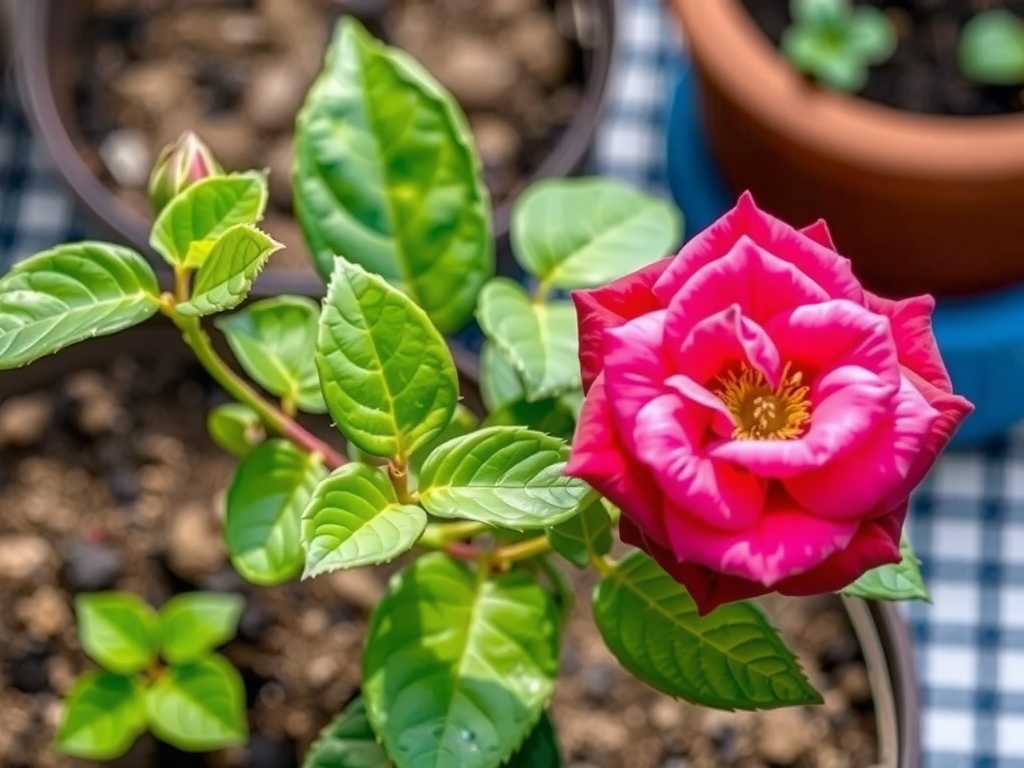
Day 8-10: The first real test! ‘Sweet Drift’ opened its first wave of candy-pink blooms. ‘The Fairy’ was covered in tiny bud clusters. ‘Julia Child’ was building strong growth but no buds yet. Then, I spotted my first major pitfall: aphids on the tender new shoots of ‘Julia Child’. A classic balcony rose problem.
My Solution: I didn’t want harsh chemicals in my small space. I used the strong stream setting on my watering can to blast them off physically every morning for three days. This manual removal, combined with the plant getting stronger, effectively controlled the infestation. This experience highlighted the importance of choosing disease- and pest-resistant varieties for low-maintenance, long-term flowering.
Day 11-14: The performance gap became clear. ‘Sweet Drift’ was a superstar. As the first flowers began to fade, I practiced deadheading—snipping off the spent bloom clusters just above a five-leaflet leaf. This is the single most important task for encouraging rebloom. Within days, I could see new buds forming right below my cut. ‘The Fairy’ exploded into its famous cloud of pink, requiring minimal deadheading due to its cluster nature. ‘Julia Child’ finally presented its first perfect, fragrant yellow bloom. The two-week observation proved that all three were good, but their rhythm differed.
Key Criteria for Choosing Your Balcony Rose
Based on this test and longer-term growing, here are the non-negotiable traits I now look for:
1. Genetic Makeup: Stick with Proven Rebloomers Focus on these types:
- Floribundas: My top pick for balcony impact. They produce large clusters of flowers all at once, creating a stunning display. ‘Julia Child’, ‘Iceberg’, and ‘Scentimental’ are exceptional.
- Polyanthas & Groundcover Roses: These are the workhorses. ‘The Fairy’, ‘Sweet Drift’, and the ‘Drift®’ series are incredibly tough, flower relentlessly, and need less precise deadheading.
- Modern Shrub Roses: Many, like the Knock Out® series, are bred specifically for disease resistance and continuous bloom. They are virtually foolproof for long flowering periods.
2. Disease Resistance is Non-Negotiable Black spot or powdery mildew will defoliate a plant, halting flowering completely. The RHS Award of Garden Merit (AGM) is a reliable indicator of robustness. I always check for terms like “excellent disease resistance” in descriptions.
3. Growth Habit and Mature Size A rose described as growing 5 feet tall and wide is not for a pot. Look for compact or patio varieties. Terms like “container-friendly,” “patio rose,” or “dwarf” are golden. The plant’s structure should suit your space without constant hard pruning.
4. Rootstock and Potting Mastery If you buy bare-root, look for ‘Dr. Huey’ or multiflora rootstock known for vigor. But for most, a pot-grown plant is easier. The pot is critical: Always choose one at least 15-18 inches in diameter and depth. Terracotta breathes but dries fast; plastic retains moisture but needs perfect drainage. I add a layer of broken pottery at the bottom and use only high-quality, well-draining potting mix.
Sustaining the Bloom: My Ongoing Care Ritual
Choosing the right variety is 70% of the battle. The rest is maintenance:
- Sunlight: Minimum 6 hours of direct sun. No exceptions.
- Watering: Consistent moisture. Never let pots dry out completely or sit in soggy soil.
- Feeding: I feed every other week during the growing season with a fertilizer high in potassium (the “bloom booster”) to fuel those long flowering periods.
- Deadheading: This is the secret signal to tell your rose to keep blooming. I do it weekly.
Frequently Asked Questions
Can I grow climbing roses for long flowering on a balcony? Yes, but choose compact climbers or patio climbers like ‘Climbing Iceberg’ or ‘Altissimo’. They will need a very large, sturdy pot and a strong trellis system attached to a wall. Their flowering period can be excellent, but they require more space management.
I only have a north-facing balcony. Can I still have long-blooming roses? It will be very challenging. Roses need direct sun to produce abundant, repeat blooms. Your best chance is with shade-tolerant varieties like some Floribundas, but even then, expect fewer flower cycles. Consider other shade-loving flowering plants instead.
How do I protect my potted roses in winter to ensure they bloom again next year? In colder zones, potted roses are vulnerable because roots freeze easily. In late fall, I stop fertilizing, water minimally, and move the pots to a sheltered spot against a house wall. I sometimes wrap the pots in bubble wrap or burlap to insulate the root zone. A layer of mulch on top of the soil also helps.
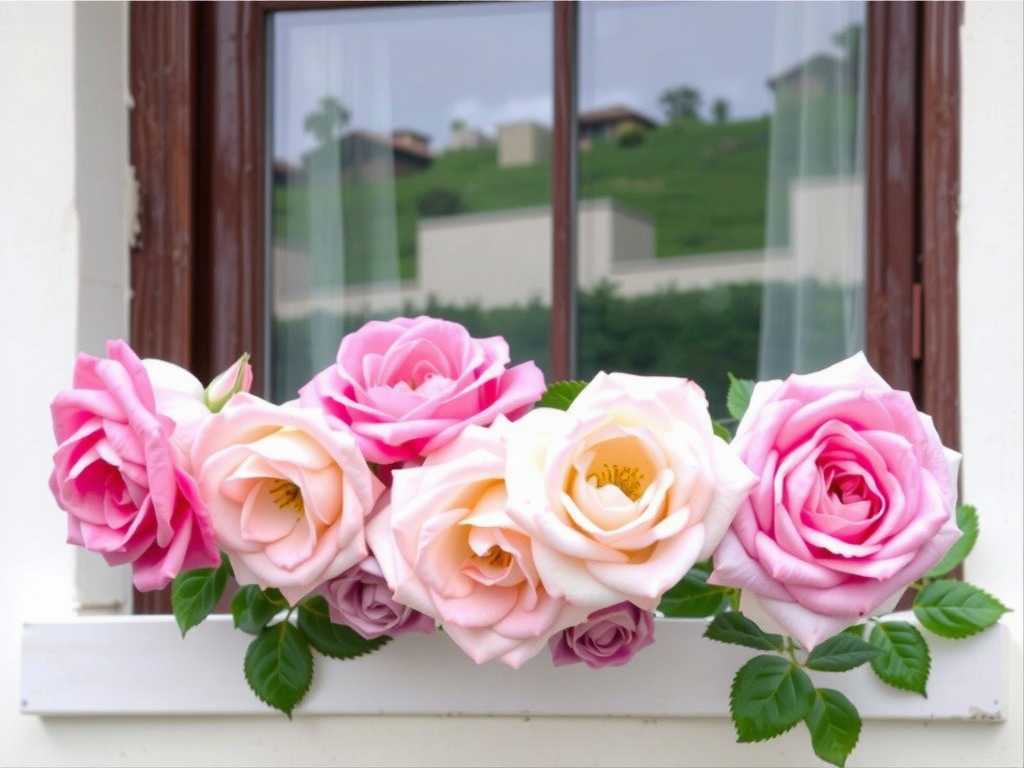
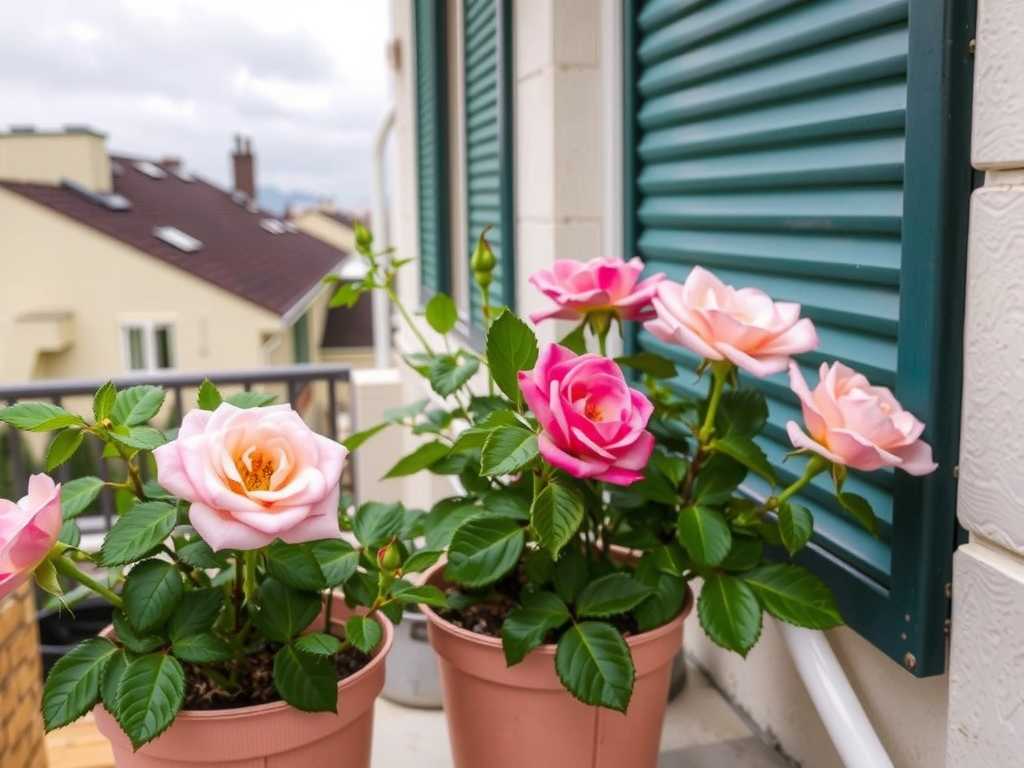
Finding rose varieties with long flowering periods for your balcony is deeply rewarding. It transforms your space into a stage for continuous color and fragrance. By prioritizing reblooming genetics, disease resistance, and the right container care, you can absolutely succeed. Start with a proven performer like a Floribunda or a tough groundcover rose, master the simple rhythm of feed, water, and deadhead, and your balcony will reward you with waves of blooms for seasons to come. My ‘Sweet Drift’ and ‘The Fairy’ are still pumping out color, and that’s the best proof I can offer.
发表评论