 admin
admin How to Grow Roses in Combination with Leafy Greens on the Balcony: My Two-Week Companion Planting Journey
Ever looked at your sunny balcony and dreamed of a lush, productive garden, but felt torn between growing beautiful flowers and fresh, edible greens? I was in the same boat. I love the romance of roses, but I also crave homegrown salads. The idea of dedicating precious space to just one felt like a compromise. That’s when I decided to experiment with how to grow roses in combination with leafy greens on the balcony. This companion planting project wasn't just about saving space; it was about creating a symbiotic, beautiful, and bountiful mini-ecosystem right outside my door.
For two weeks, I meticulously documented this balcony rose and vegetable companion planting experiment. Here is my complete, step-by-step guide, including the real results I saw, the problems I faced, and how I fixed them.
Why Pair Roses with Leafy Greens?
You might think roses are too demanding for such company. Traditionally, they’re grown alone. However, research from institutions like the Royal Horticultural Society (RHS) supports the benefits of thoughtful companion planting. Certain plants can help deter pests, improve soil health, and optimize space.
For my edible balcony garden with roses, I chose leafy greens like lettuce, spinach, and arugula. They have shallow root systems that won’t compete aggressively with the roses’ deeper roots. Their quick growth cycle provides ground cover, helping retain soil moisture and suppress weeds. Plus, the visual contrast of delicate greens against bold rose blooms is stunning.
My Step-by-Step Setup Process
Week 0: Planning and Gathering Supplies
My core philosophy for this container gardening for roses and greens was "right plant, right place." My balcony gets about 6 hours of direct afternoon sun, perfect for most roses and cool-season greens.
I gathered:
- Two large, deep pots (at least 18 inches wide and deep) for the roses. Drainage holes are non-negotiable.
- Several smaller, shallow pots and one long rectangular planter for the greens.
- High-quality potting mix formulated for roses (slightly acidic, well-draining).
- A bag of general-purpose organic potting soil for the greens.
- Two bare-root miniature rose varieties (‘Scarlet Meidiland’ and ‘Lavender Jewel’) known for disease resistance and compact growth.
- Seed packets of loose-leaf lettuce, spinach, and arugula.
- Organic slow-release fertilizer and a liquid seaweed feed.
- A small bag of organic mulch (I used fine bark chips).
Day 1: Planting the Foundation
First, I planted the roses. I filled the bottom of each large pot with a layer of broken pottery for drainage, then added the rose-specific potting mix. I soaked the bare roots in water for an hour before planting them at the recommended depth. I firmed the soil gently, watered thoroughly, and applied a thin layer of mulch around the base to conserve moisture.
Next, I prepared the containers for the leafy greens. I filled them with the general potting mix, moistened it, and sowed the seeds according to packet instructions—some directly in the long planter, others in small pots to be placed strategically around the rose containers. I labeled everything clearly.
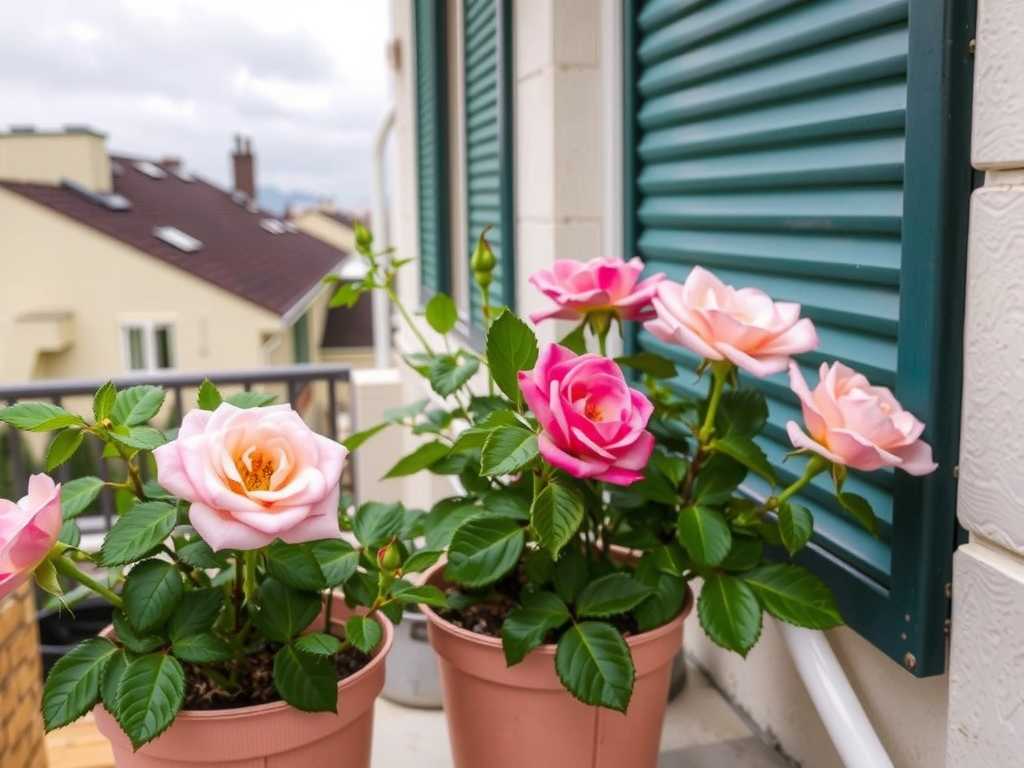
The Initial Arrangement: I placed the two rose pots at the back of the balcony against the wall. The long planter with greens sat in front of them, and the smaller pots were arranged on side tables and the floor around the roses, creating a tiered, lush effect.
The Two-Week Observation Log: Successes and Surprises
Days 1-3: The Waiting Game The balcony looked tidy but bare. I watered the roses deeply once, ensuring the soil was moist but not soggy. The seed trays were kept consistently moist with a gentle spray. No signs of life yet, as expected.
Days 4-7: First Signs of Life Green shoots! The arugula and lettuce in the long planter were the first to emerge, a thrilling sight. The rose canes remained dormant, which is normal for bare roots. Here, I encountered my first major pitfall.
Pitfall #1: Fungus Gnats. The consistently moist seed-starting soil attracted tiny fungus gnats. I noticed them hovering over the greens' containers.
Solution: I immediately let the top inch of soil in the greens' containers dry out completely between waterings. I also made simple yellow sticky traps (small yellow cards coated with petroleum jelly) and placed them in the pots. Within two days, the gnat population plummeted. This protected both the delicate seedlings and prevented the pests from bothering the roses.
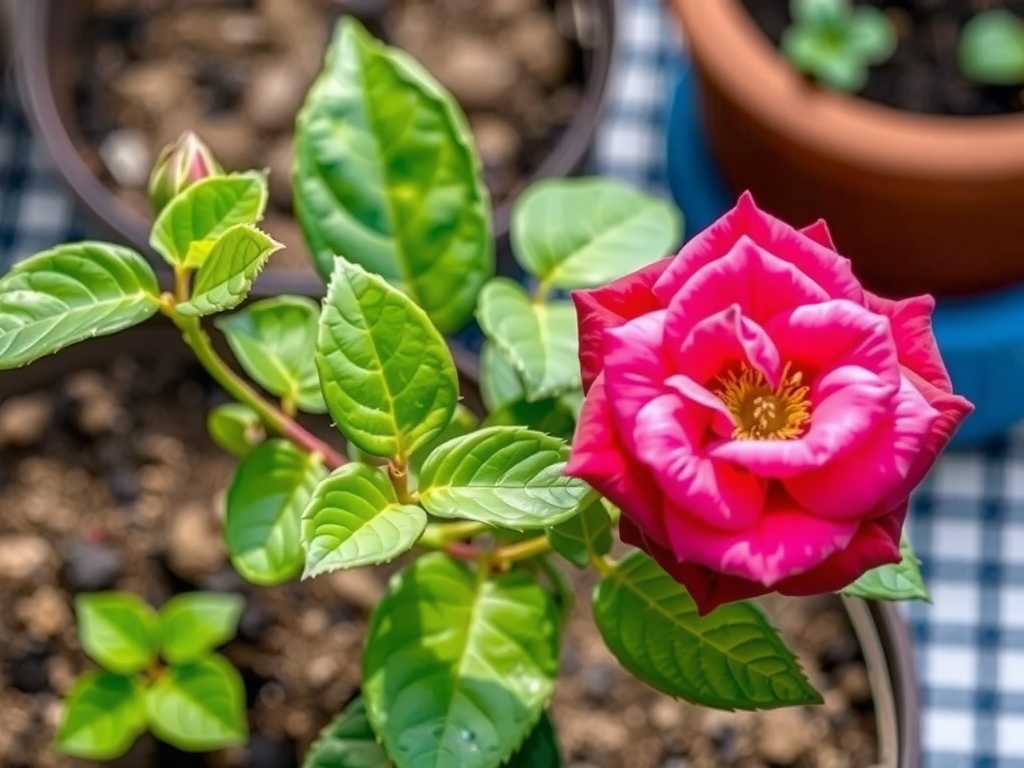
Days 8-14: Establishing the Partnership By day 10, the leafy greens were forming their first true leaves, creating a vibrant green carpet. The rose canes began to show tiny, red leaf buds swelling—a sure sign they had established roots. This was the balcony companion planting synergy starting to work visually.
I performed the first feeding on day 12. For the roses, I used a half-strength liquid seaweed solution, which is gentle and encourages root growth. For the fast-growing greens, I used a very diluted version of the same feed. The RHS advises against over-fertilizing young plants, so I erred on the side of caution.
Pitfall #2: Microclimate Management. The afternoon sun became intense. The smaller green pots dried out much faster than the large rose pots. Some lettuce tips looked slightly wilted at the peak of the day.
Solution: I implemented a strategic shuffling. I moved the most sensitive spinach pots to a spot that received dappled shade from the rose foliage in the afternoon. I also increased the mulch layer around the rose bases to a full two inches, which helped keep their soil cooler and reduced overall evaporation from the entire grouping. A light morning misting for the greens helped them cope with the afternoon heat.
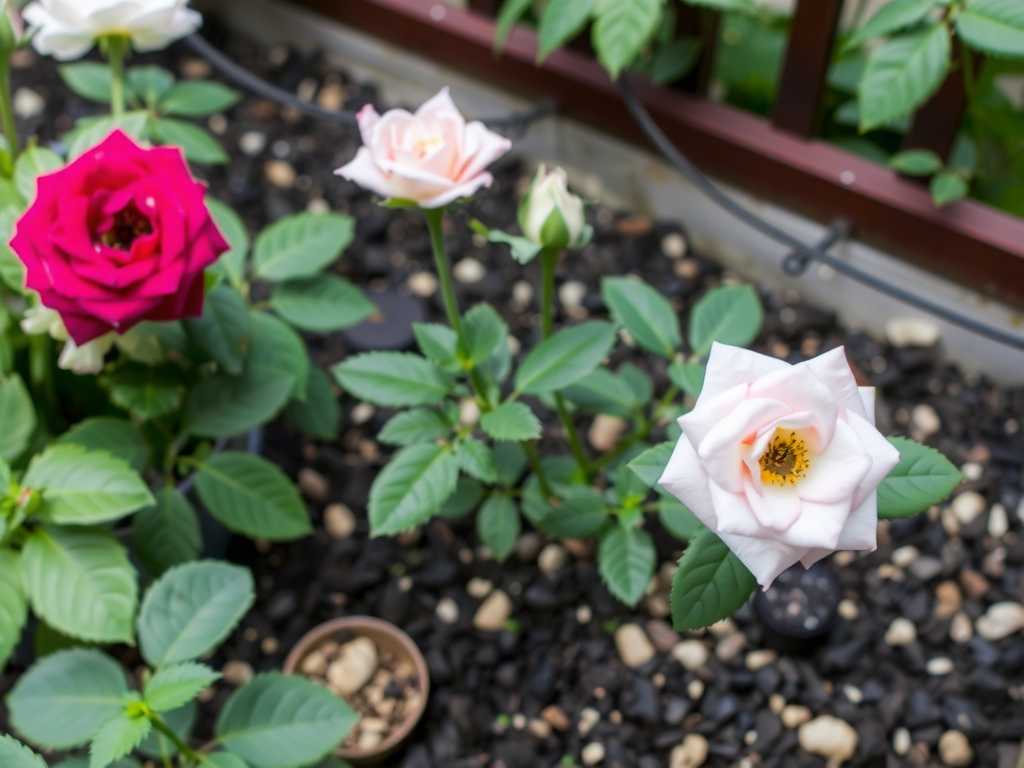
End of Week 2: The Verdict The transformation was clear. My balcony was no longer a collection of pots but a cohesive, green garden. The roses were visibly alive with plump buds, and the leafy greens were almost ready for their first "cut-and-come-again" harvest. The space-saving balcony garden was a success. There were no signs of disease transfer, and the pest issue (gnats) was under control. The different leaf textures and colors created a display that was both ornamental and practical.
Ongoing Care and Harvesting Strategy
The key to maintaining this partnership is balance. I will continue to water the roses deeply at the base, avoiding wetting the foliage to prevent black spot. The greens will receive more frequent, lighter watering. As the roses grow, I will ensure the greens don’t become shaded out, possibly rotating the smaller pots.
I can start harvesting outer leaves of lettuce and arugula now, which will actually encourage more growth. The roses will get their next full-strength, balanced organic feed in another two weeks, as recommended by the American Horticultural Society (AHA) for container roses.
Common Questions Answered
Won’t the greens compete with the roses for nutrients? Not if you manage it correctly. Using separate, appropriate soil mixes and regular, targeted feeding prevents competition. The shallow roots of greens and deeper roots of roses occupy different soil zones. My two-week observation showed vigorous growth in both, indicating no negative competition.
What about pests like aphids that love roses? This is a great benefit! Leafy greens like arugula and lettuce can host beneficial insects like ladybugs and lacewings. By having this mixed planting, I’m creating a habitat that can attract natural predators for common rose pests. I’m also inspecting both plants daily as I water, which is the best defense.
Can I use the same soil for both? I don’t recommend it. Roses thrive in a specific, slightly acidic, chunky mix. Greens prefer a finer, moisture-retentive but well-draining mix. Using the right soil from the start, as I did, sets the foundation for healthy roots and prevents countless problems down the line.
Growing roses in combination with leafy greens on your balcony is more than just a gardening hack; it’s a rewarding way to maximize your space and enjoy the best of both worlds. It requires observation and a willingness to adjust—like moving a pot into the shade or setting a sticky trap. But the result, as I saw in just fourteen days, is a dynamic, beautiful, and productive garden that provides daily joy and the promise of homegrown beauty and flavor right outside your window. Start with the right pots, the right soil, and sun-loving companions, and your balcony oasis awaits.
发表评论