 admin
admin How to Grow Roses in Self-Watering Pots on the Balcony: A Gardener's 2-Week Journey
I love roses, but for years, my apartment balcony felt like a hostile environment for them. The scorching afternoon sun, the erratic watering schedule during busy weeks, and the limited space created a cycle of hope and disappointment. My dream of a blooming balcony seemed out of reach until I discovered the potential of growing roses in self-watering pots. This method promised to solve my biggest pain points: inconsistent moisture and the constant fear of underwatering or overwatering. I decided to put it to the test, documenting every step and observing the results over a critical two-week establishment period. Here’s my hands-on, detailed account.
Why Self-Watering Pots Are a Balcony Rose Game-Changer
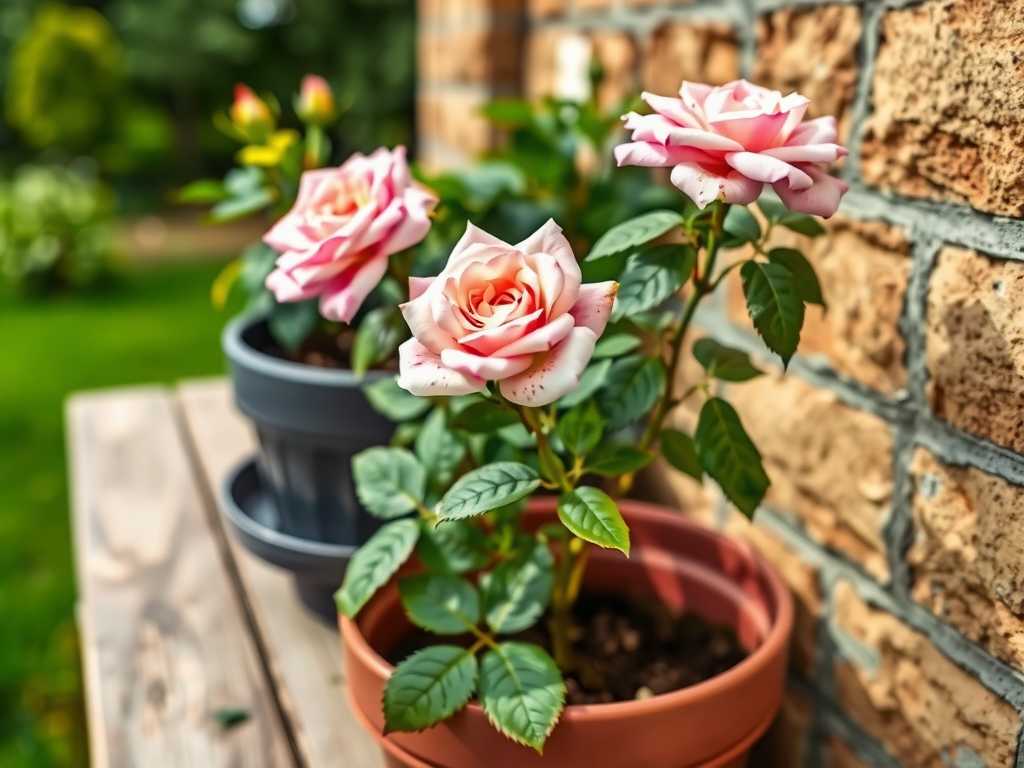
Traditional pots on a windy, sunny balcony dry out incredibly fast. According to the American Rose Society, consistent soil moisture is paramount for healthy root development and preventing stress that leads to disease. Self-watering pots, with their built-in reservoir, provide a steady supply of water from below. This sub-irrigation system encourages roots to grow downward toward the consistent moisture, creating a stronger, more resilient plant. For balcony gardeners, this isn't just a convenience; it's a tool for success, especially when mastering balcony rose care in containers.
My Step-by-Step Setup for Success
I started with two young, potted miniature rose bushes from a local nursery. My goal was to transition them into their new self-watering homes with minimal shock.
Choosing the Right Equipment Not all self-watering pots are created equal. I selected two medium-sized pots (about 12-inch diameter) with a deep reservoir and a clear water level indicator. The Royal Horticultural Society (RHS) emphasizes good drainage, and these pots had aeration channels in the soil chamber to prevent waterlogging. I also purchased a high-quality, well-draining potting mix formulated for roses and a bag of perlite to add extra drainage.
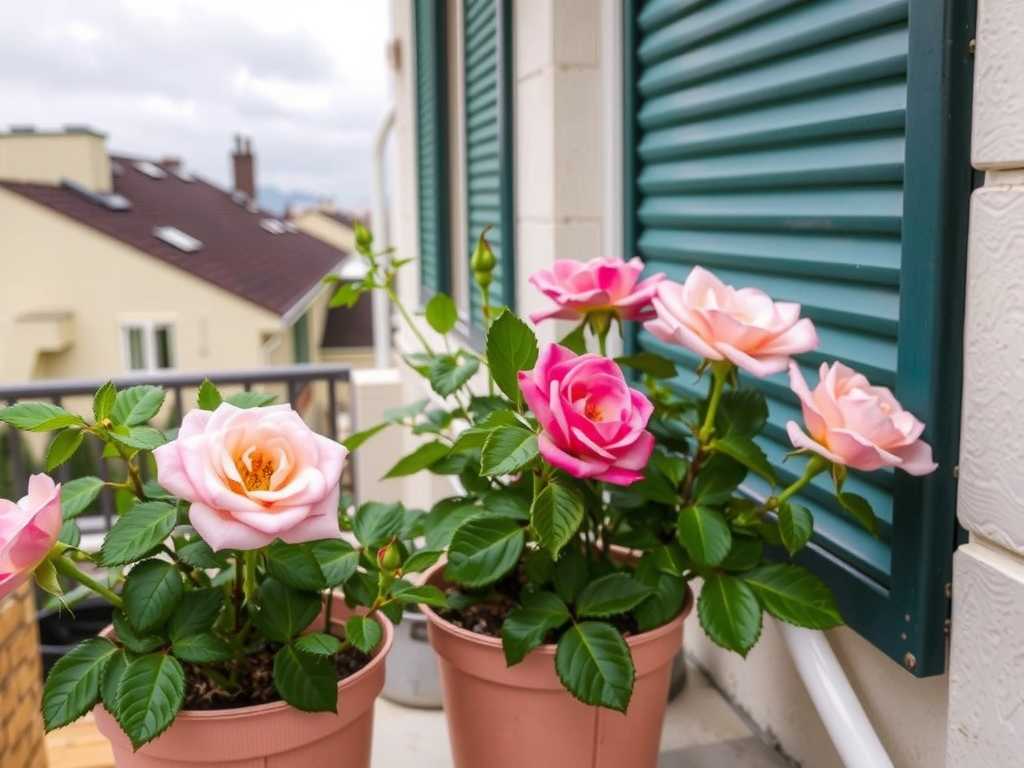
The Planting Process: A Delicate Operation First, I prepared the potting mix by blending three parts rose potting mix with one part perlite. This ensured lightness and excellent drainage—critical for preventing root rot, even in a self-watering system. I partially filled the soil chamber of the clean pots with my mix. Gently removing the roses from their nursery pots, I teased out the roots slightly to encourage them to spread. I placed each plant in the center, ensuring the root ball sat about an inch below the rim. Then, I filled in around the sides with more potting mix, firming it gently. I left about an inch of space at the top for watering and mulch. Here came the key step: the initial top watering. I thoroughly watered the soil from the top until water began to seep into the reservoir below. This settled the soil and eliminated air pockets. Finally, I filled the reservoir through the designated fill tube until the indicator showed "full." I placed the pots on my south-east facing balcony, where they would receive about 6 hours of morning sun.
The First 48 Hours: Critical Observations The plants looked a little droopy immediately after transplanting—a normal reaction. I resisted the urge to interfere. The self-watering system was doing its job, and I needed to let the roses acclimate.
The Two-Week Observation Log: Triumphs and Troubles
This period was all about monitoring and learning the rhythm of my new system.
Days 3-7: Signs of Life and First Pitfall By day three, the droopiness was gone. The leaves were perky. I checked the water level indicator daily; it slowly dropped, showing the plants were drinking. By day five, I needed to refill the reservoir for the first time. So far, so good. Then, on day seven, I noticed the first issue. A few lower leaves on one plant turned yellow. My heart sank—was it overwatering? Upon closer inspection, I realized the problem was the opposite. The weather had turned unusually hot and windy. The top layer of soil was bone dry, and the plant was focusing its energy on new growth. The yellow leaves were a natural shedding. I performed a quick "skull test" by sticking my finger into the soil—it was moist an inch down, right where the reservoir was feeding. The system was working; the plant was just adjusting. I snipped off the yellow leaves and added a thin layer of mulch (small bark chips) on the soil surface to help retain top moisture and regulate temperature.
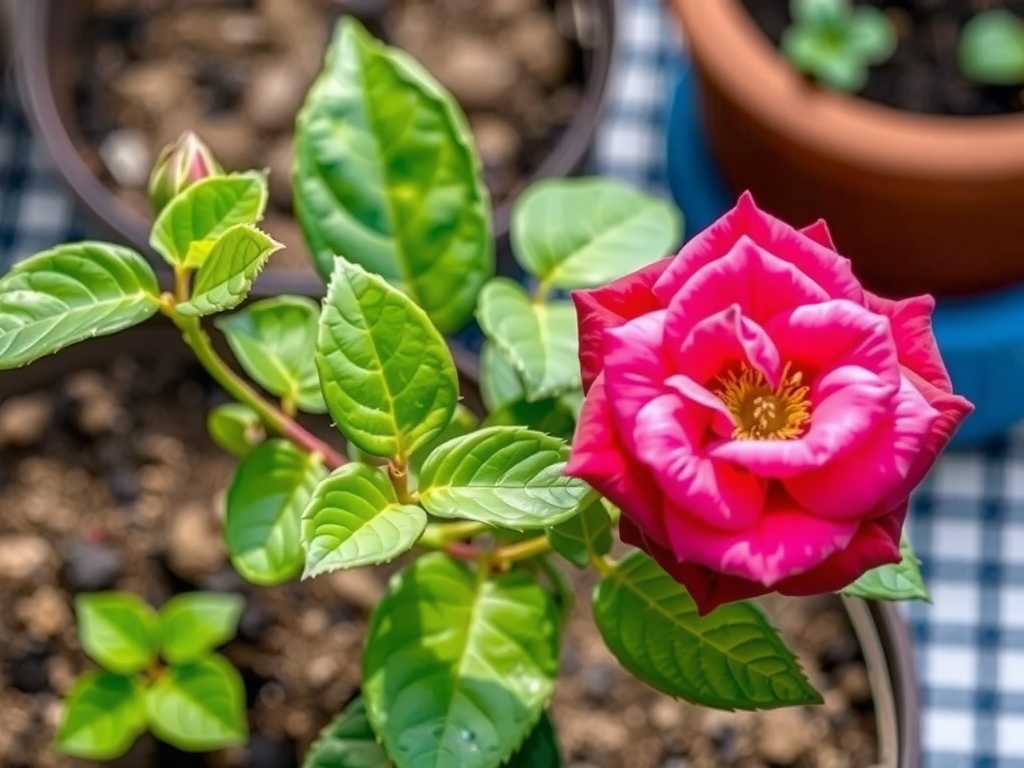
Days 8-14: Establishing a Rhythm and a Victory With the mulch in place, the top soil stayed more evenly moist. I settled into a routine of checking the water indicator every other day. Refilling became necessary roughly every 4-5 days, a huge relief compared to daily watering. The most exciting moment came around day 12. I spotted several new, deep red shoots emerging from the base of both plants! This was a clear sign of healthy, active growth and root establishment. The roses were not just surviving; they were thriving, putting energy into new canes. The leaves were a vibrant green with no signs of black spot or mildew, common issues with stressed roses. The self-watering planter for roses was proving its worth by eliminating moisture stress.
Lessons Learned and Problems Solved
My journey wasn't flawless. Here are the key pitfalls I encountered and how I fixed them.
The "Dry Top Soil" Panic As mentioned, seeing the surface dry out triggered my overwatering instincts. The fix was trust and verification. I learned to rely on the water indicator and the plant's overall appearance (perky leaves, new growth) rather than the surface condition. The mulch was a simple, effective add-on to mitigate this visual cue.
The Initial Overwatering Temptation After planting, I almost made the mistake of keeping the reservoir topped up constantly. I learned that letting the reservoir drain almost completely between refills is crucial. It encourages the roots to seek water and ensures the soil gets oxygen, preventing a soggy, anaerobic environment. The RHS advises that "roots need air as much as water," and this cycle mimics natural wet-dry periods.
Choosing the Wrong Soil In a preliminary test with another plant, I used a dense, moisture-retentive garden soil. It became waterlogged in the self-watering pot, leading to stunted growth. The solution was investing in a light, airy, soilless potting mix amended with perlite. This is non-negotiable for healthy container rose gardening.
Addressing Common Balcony Rose Queries
Can I grow full-sized rose varieties in self-watering pots on a balcony? Absolutely, but pot size is critical. For hybrid teas or floribundas, choose a large, deep self-watering pot (at least 15-18 inches in diameter and depth). The reservoir must be substantial enough to support the larger plant's thirst. Miniature and patio rose varieties are naturally better suited for balcony spaces.
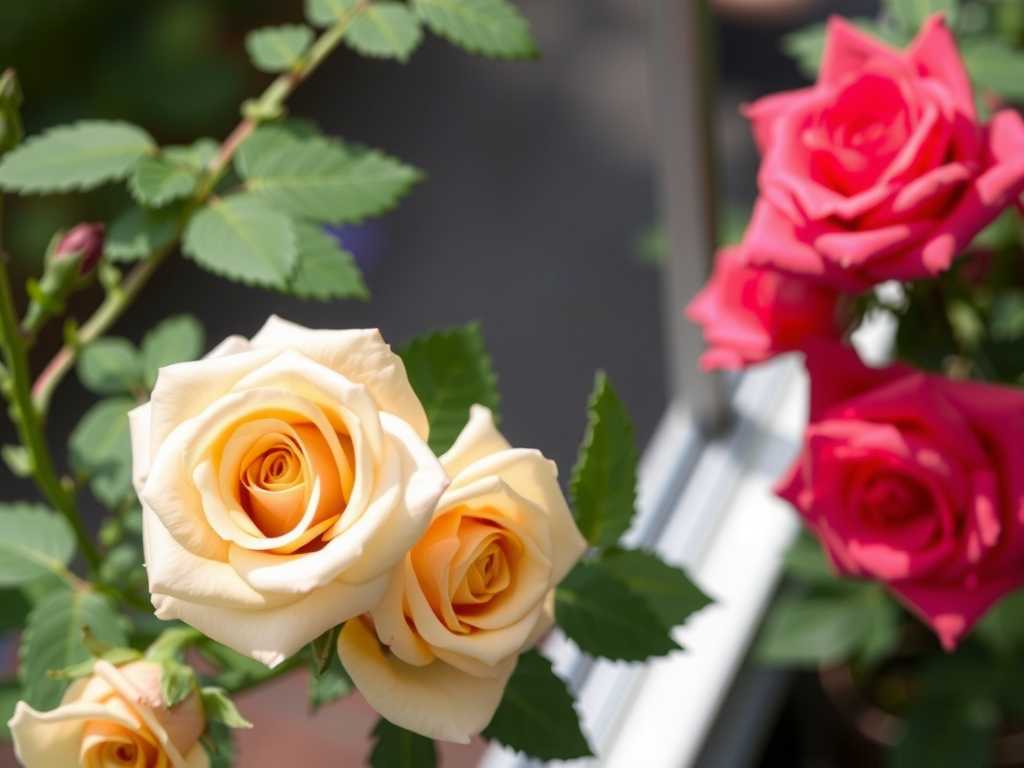
How often do I really need to refill the reservoir? There is no universal schedule. It depends on pot size, plant size, temperature, wind, and sun exposure. In my two-week test during mild-to-warm weather, it was every 4-5 days. In peak summer, it may be every 2-3 days. Let the water level indicator be your guide. Check it regularly until you learn your plant's rhythm.
Do I still need to fertilize roses in self-watering pots? Yes, even more importantly. Frequent watering (even from below) can leach nutrients from the soil. I use a balanced, water-soluble fertilizer applied to the top soil every two weeks during the growing season, as per the American Rose Society's feeding guidelines for containers. This ensures the plants have all they need for continuous blooms.
Embracing growing roses in self-watering pots transformed my balcony gardening experience. Over two weeks, I witnessed my roses move from transplant shock to vigorous new growth, all with a more forgiving and consistent watering routine. The key takeaways are simple: trust the system, use the right soil, monitor but don't micromanage, and let the water indicator be your primary guide. For any urban gardener struggling with the challenges of balcony rose care, this method is a practical, effective, and deeply rewarding solution. My balcony is now on its way to becoming the rose-filled oasis I always imagined.
发表评论