 admin
admin How to Grow Balcony Roses Paired with Seasonal Flowers: A Gardener’s Real-World Guide
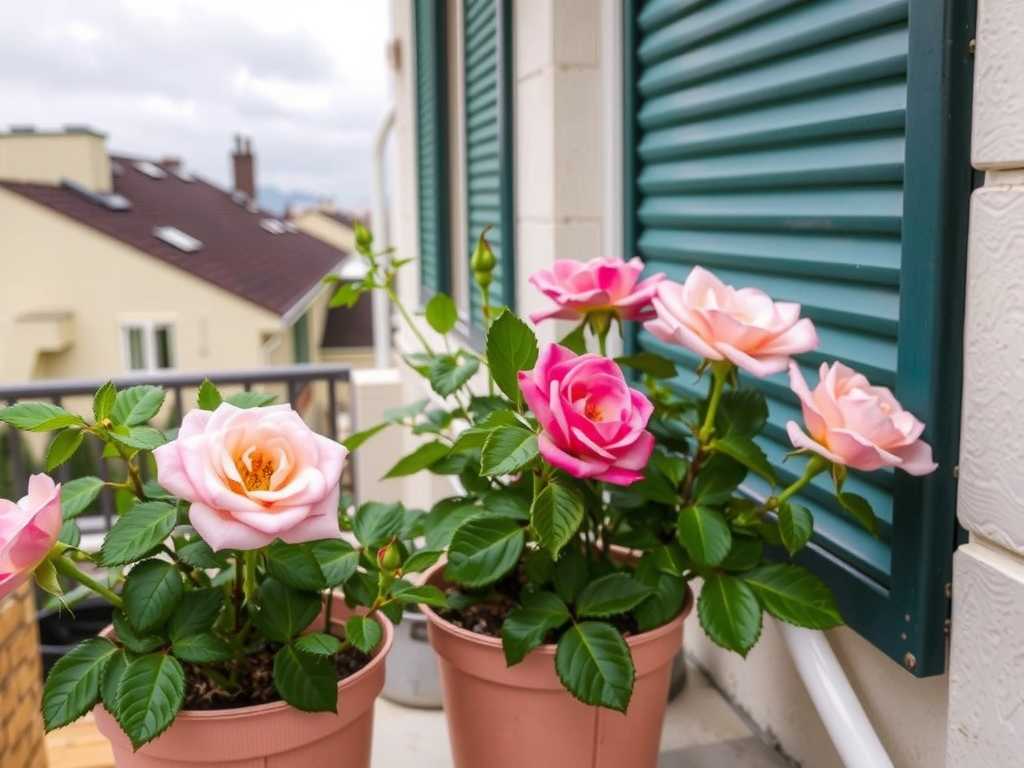
I love the dream of a lush, blooming balcony, but for years, mine told a different story. My roses looked lonely, and the color show ended too soon. I wanted that magazine-worthy container garden—vibrant roses as the star, surrounded by flowers that change with the calendar. The challenge? Making it all work in the confined space of a balcony, where sun, wind, and soil volume are everything. This guide is my personal journey into mastering the art of how to grow balcony roses paired with seasonal flowers. It’s not just theory; it’s the real steps I took, the two-week watch, and every lesson learned the hard way.
Why Pairing Roses with Seasonal Companions is a Game-Changer
A solo rose in a pot is beautiful, but it can be a bit static. By introducing seasonal flowers, you create a dynamic, layered display. The companions fill in bare stems, add contrasting textures and colors, and most importantly, extend your balcony’s visual interest far beyond the rose’s main flush of blooms. According to the American Rose Society, companion planting can also help create a healthier micro-environment, potentially deterring some pests and attracting beneficial pollinators to your urban oasis.
My goal was clear: a resilient, ever-changing mini-garden. Here’s exactly how I built it.
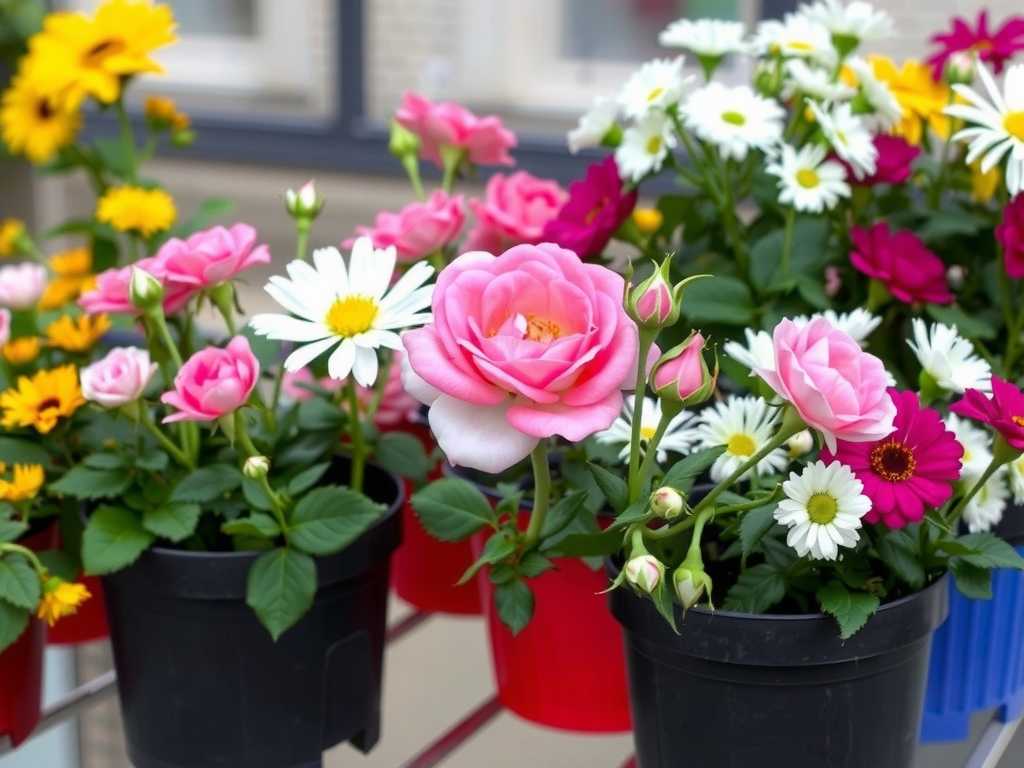
Phase 1: The Foundation – Planning and Planting
Choosing the Right Roses for Containers
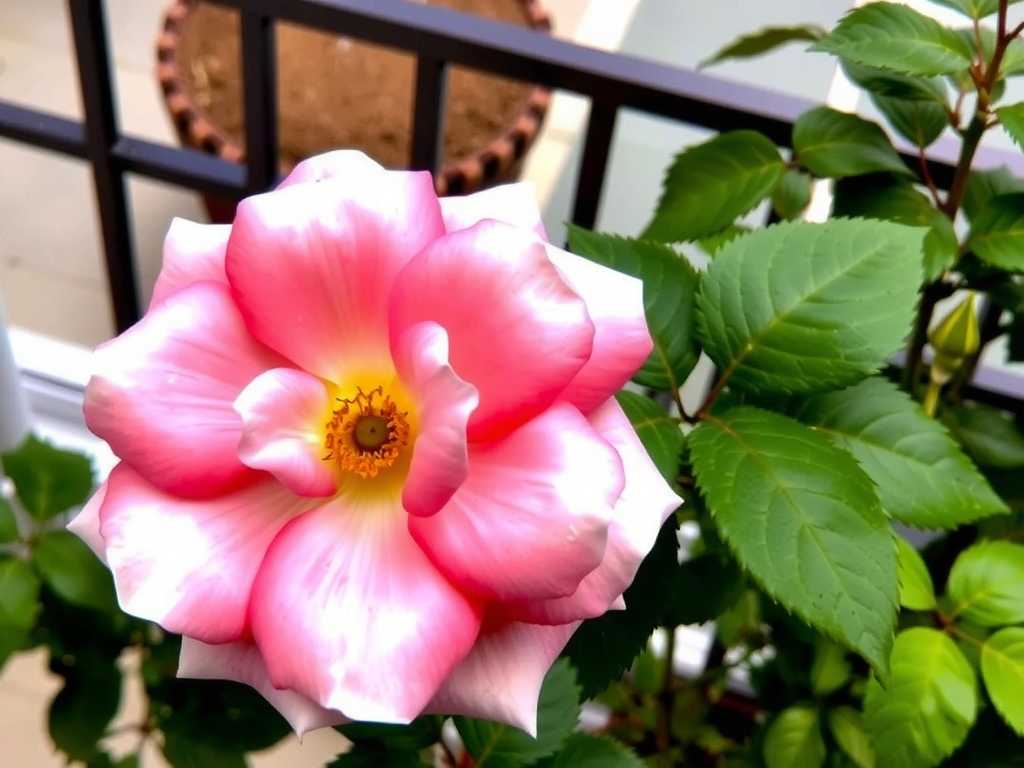
This is the most critical step. Not all roses thrive in pots. I learned this after a disappointing attempt with a large climber. For balcony rose gardening success, opt for patio, miniature, or groundcover rose varieties. I selected ‘Sun Flare’, a floribunda known for disease resistance and continuous blooms, and ‘The Fairy’, a prolific pink polyantha. Both are recommended by the Royal Horticultural Society (RHS) for container growing due to their manageable size and robust nature.
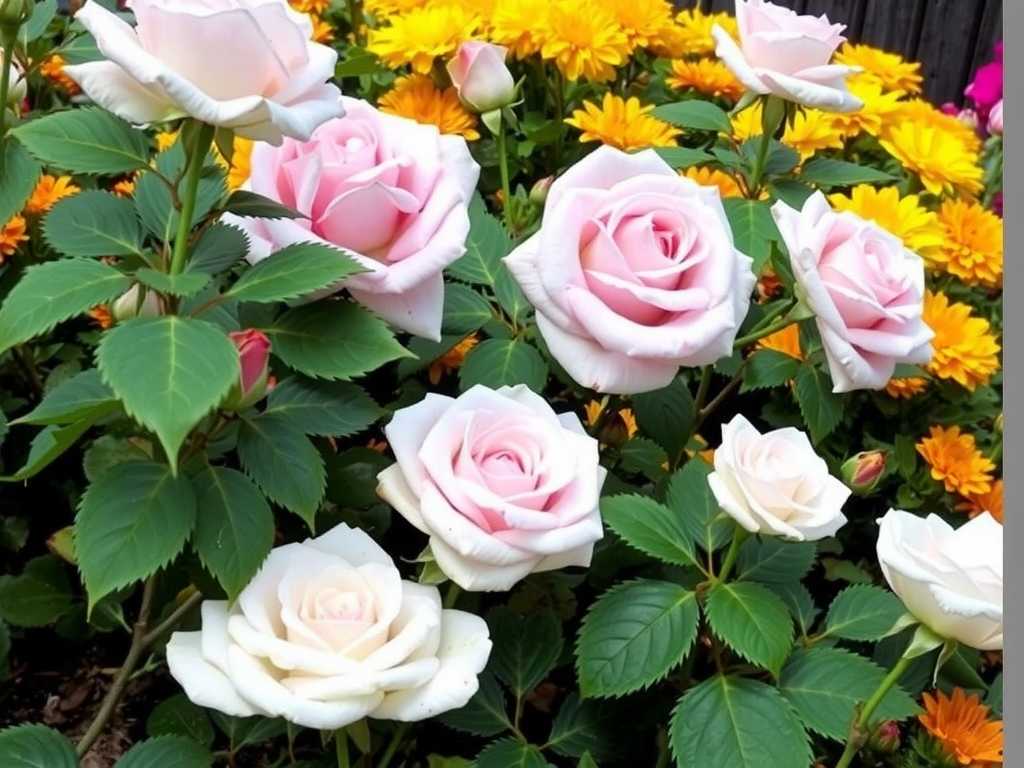
Selecting Seasonal Partners
Your companions must share your rose’s needs: full sun (at least 6 hours), well-draining soil, and similar watering habits. For my spring/summer trial, I chose:
- Spring Bulbs (Narcissus ‘Tête-à-Tête’): For early color before the roses peak.
- Summer Annuals (White Alyssum and Blue Trailing Lobelia): To spill over the edges, cool down the rose colors, and attract pollinators.
- Herb (Creeping Thyme): For fragrance, texture, and as a living mulch.
The Planting Process – My Step-by-Step
- Pot Selection: I used deep, 18-inch diameter pots with massive drainage holes. Roses need room for roots to anchor and grow.
- Soil Mix: I avoided cheap, heavy potting soil. Instead, I created a blend: 60% high-quality potting mix, 30% compost for nutrients, and 10% perlite for aeration. This ensures the perfect soil for balcony roses and flowers—moisture-retentive yet never soggy.
- Planting: I placed the rose bush slightly off-center towards the back of the pot. Around its base, I gently nestled the spring bulbs (in early spring) and the small plugs of alyssum, lobelia, and thyme. I left a 2-inch gap between the soil and the pot rim for watering.
The First Mistake and Fix: Overcrowding. In my initial pot, I got overzealous. The plants were competing for light and air by week one. The lobelia looked stifled. Solution: I carefully removed one alyssum plug and spaced the remaining companions further from the rose’s central crown. They needed breathing room.
Phase 2: The Crucial First Two Weeks – Observation and Adjustment
This period is all about establishment. I monitored my pots twice daily.
Week 1: The Settlement
- Watering: I watered deeply until it ran out the bottom immediately after planting. Then, I checked soil moisture by finger daily. The top inch dried quickly on my windy balcony. I adopted a “soak and dry” method, watering thoroughly only when the soil felt dry.
- Sun & Wind: My balcony gets afternoon gusts. I noticed some leaf flutter. I moved the pots just 18 inches closer to the windbreak wall, which made a dramatic difference.
- Early Signs: The seasonal flowers looked wilted for two days (transplant shock), then perked up. The roses held steady.
Week 2: Growth and a Scare
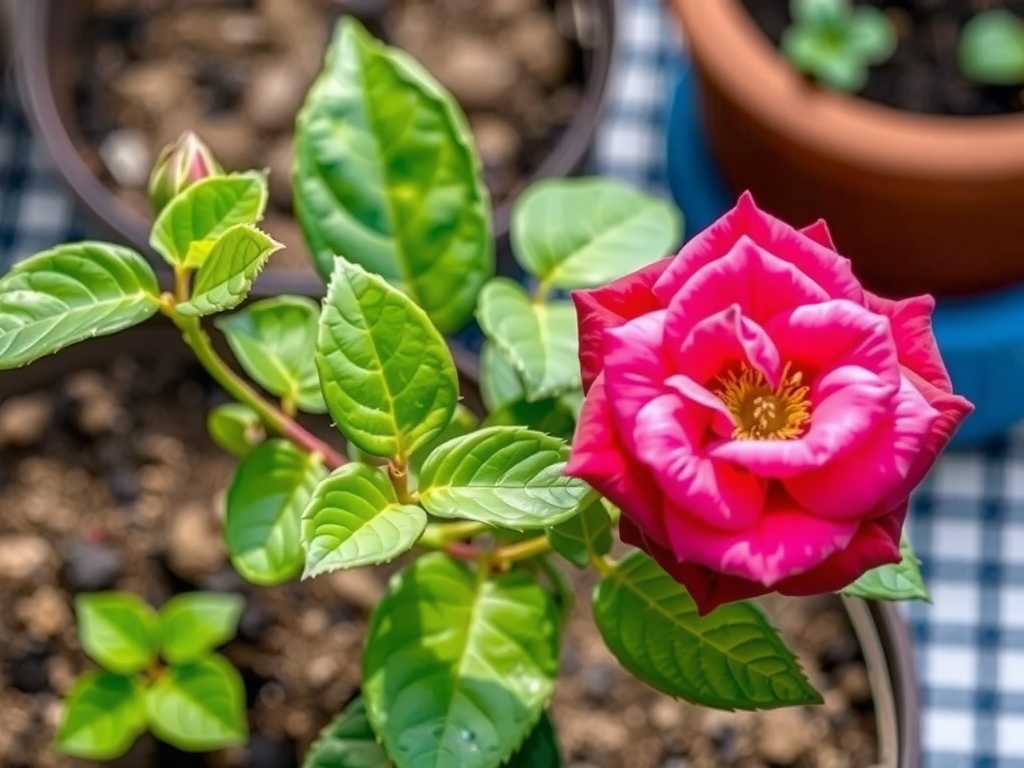
- New Growth: Tiny red shoots appeared on the roses—excellent! The alyssum began to spread, and the lobelia sent out new trails.
- The Pest Alert: On day 10, I saw sticky residue on the back of a few rose leaves—aphids. My first instinct was to panic-spray. Instead, I followed an RHS-recommended integrated approach. I first tried a strong jet of water from a spray bottle to dislodge them. For persistent bugs, I mixed a mild insecticidal soap spray (1 tsp per liter) and applied it only to affected areas in the cool evening. This natural pest control for balcony gardens worked within 48 hours.
- Feeding: At the end of week two, I gave all plants a half-strength dose of a balanced, water-soluble fertilizer to support their new growth.
By the end of this 14-day watch, the plants were no longer just coexisting; they were actively growing together. The framework was set.
Ongoing Care for a Thriving Display
Watering Wisdom: Potted plants drink a lot, especially in sun. I never let my pots dry out completely. A consistent watering schedule is more important than volume.
Feeding for Blooms: Roses are hungry. I switched to a bloom-specific fertilizer (higher potassium) every two weeks once the first flower buds formed, watering it in for both roses and companions.
The Deadheading Rhythm: This is the secret to non-stop flowers. I spent 5 minutes every other day snipping off spent rose blooms just above a five-leaflet leaf, and pinching back faded annuals. This simple act signaled the plants to produce more, not go to seed.
Seasonal Transition – My Next Move: As summer fades, I’ll remove the spent annuals and replace them with ornamental kale and pansies for fall. The roses, with a light trim, will often give a final flourish alongside them.
Common Questions from Fellow Balcony Gardeners
Can I pair roses with edible plants like herbs? Absolutely. My creeping thyme was a success. Basil, parsley, or garlic chives also work well. They can help confuse pests with their scent and give you a kitchen harvest. Just ensure they get enough sun.
My rose leaves are turning yellow. What’s wrong? Yellowing leaves, especially from the bottom up, often point to overwatering or poor drainage—the biggest killer of container roses. Check that your pots aren’t sitting in saucers of water. Let the soil dry a bit more between waterings.
What are the best low-maintenance seasonal flowers for beginners? For foolproof results, start with trailing petunias, marigolds, or sweet potato vine. They are vigorous, sun-loving, and forgiving, providing quick color with minimal fuss while you learn your rose’s rhythms.
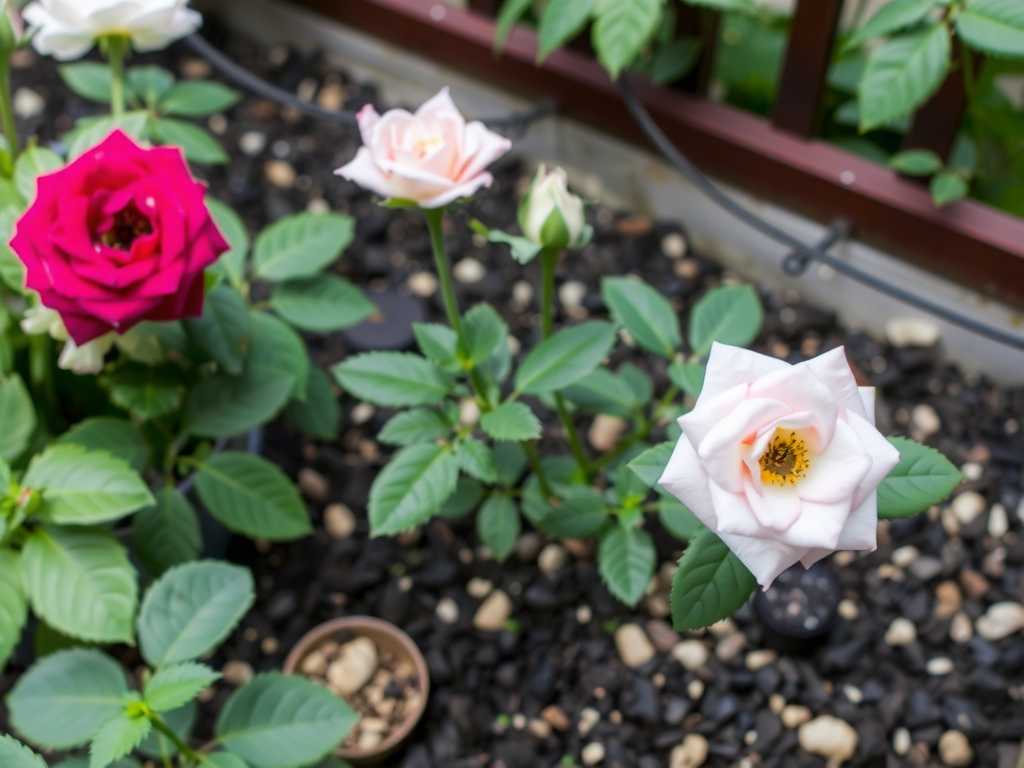
Creating a balcony garden with roses and seasonal flowers is a deeply rewarding practice. It transformed my concrete space into a living, breathing ecosystem. It required attention, especially at the start, but the daily joy of checking on this symbiotic little world is unmatched. Start with the right pot, the right soil, and resilient plants. Observe closely, adjust quickly, and don’t fear the small setbacks—they’re your best teachers. Your own flourishing balcony oasis, brimming with roses and seasonal charm, is absolutely within reach.
发表评论