 admin
admin How to Prevent Bird Damage to Balcony Rose Seedlings: A Gardener's Battle-Tested Guide
There's a special kind of heartbreak reserved for balcony gardeners. You've nurtured your rose seedlings from tiny specks of hope, watching the first true leaves unfurl, only to wake up one morning to find them shredded, uprooted, or completely vanished. The culprits? Often, it's birds. I know this pain intimately. For years, my attempts to grow roses on my fifth-floor balcony were sabotaged by sparrows and finches who seemed to view my tender seedlings as their personal salad bar. Learning how to prevent bird damage to balcony rose seedlings became not just a hobby, but a mission.
This guide is the result of my two-week, hands-on experiment to reclaim my green space. I’ll walk you through the methods I tried, what actually worked, the mistakes I made along the way, and the simple, effective strategies that finally let my roses thrive.
Understanding Why Birds Target Your Seedlings
Before we dive into solutions, it's crucial to understand the "why." Birds aren't being malicious; they're following instinct. Seedlings offer soft, digestible greens and are often planted in loose, perfect-for-foraging soil. According to insights from the Royal Horticultural Society (RHS), birds, particularly in urban settings, are constantly seeking food and nesting materials. Your balcony container, isolated and rich with soft soil, can look like an ideal feeding ground.
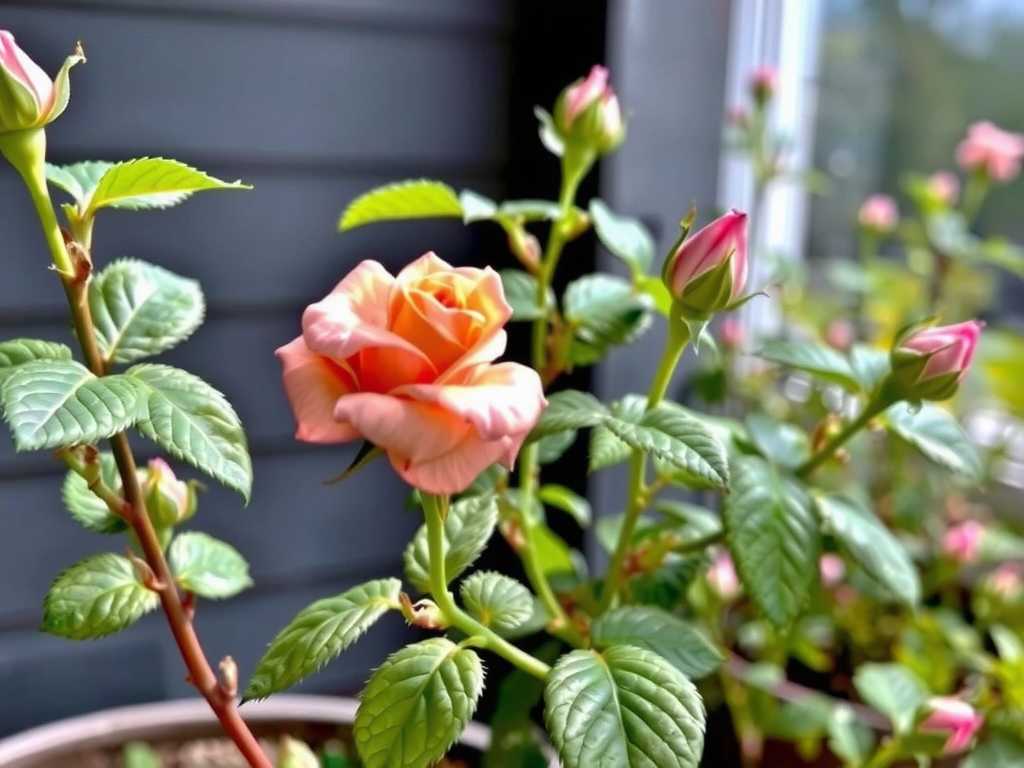
My core struggle revolved around two key problems: protecting young rose plants from birds and finding bird-proof solutions for balcony roses that were both effective and aesthetically pleasing. I needed methods that were practical for a limited space and didn't turn my peaceful retreat into a fortress.
My 2-Week Anti-Bird Experiment: Methods, Results, and Lessons
I committed to testing a combination of physical, visual, and habitat-modifying tactics over a full 14 days, monitoring my six precious 'Bonica' rose seedlings daily.
Week 1: The Foundation – Physical Barriers
I started with the most direct approach: creating a physical block between the birds and my plants.
- Method 1: DIY Mesh Cloches. My first step was crafting simple cloches using flexible garden wire and lightweight insect mesh. I shaped the wire into domes over each seedling and secured the mesh around them, pegging it into the potting mix.
- Immediate Effect & The "Oops" Moment: The first two days were a success—no damage! However, by day three, I noticed one seedling looked wilted. I had made a critical error: I hadn't secured the mesh tightly at the base. A persistent sparrow had pushed underneath, damaging the stem. Furthermore, on a sunny afternoon, the sealed cloche acted like a mini-greenhouse, overheating the plant inside.
- The Fix: I immediately revised my design. I used larger wire frames to allow for air circulation and secured the mesh to the rim of the pot itself with binder clips, creating a complete seal with no gaps. I also made it a habit to remove the cloches during the coolest part of the day for a few hours to prevent heat buildup. This solved the problem entirely for those plants.
Week 2: Layering Tactics – Deterrence and Distraction
Knowing birds can adapt, I added two more layers to my defense system.
- Method 2: Reflective Deterrents. I hung old CDs and strips of reflective tape around the balcony railing. The flickering light and movement are known to disorient and scare birds away.
- Observation: This worked brilliantly for about four days. The balcony became a disco of flashing lights, and birds gave it a wide berth. But by the middle of the second week, the birds had grown accustomed to them. They’d land on the railing farther from the tapes, eyeing the seedlings. The reflective objects were a good initial deterrent but not a lasting standalone solution.
- Method 3: The Strategic Distraction Feeder. This was my game-changer. Following a principle often supported by birding experts, I decided to work with nature rather than just against it. I installed a small bird feeder stocked with black oil sunflower seeds on the far opposite end of my balcony, well away from my rose pots.
- The Result: This simple act transformed the dynamic. The birds now had an easier, more attractive food source. I observed them frequently visiting the feeder and largely ignoring my seedlings. The American Horticultural Society (AHS) notes that providing an alternative food source can effectively redirect pest bird behavior. This, combined with the physical mesh cloches (which I kept on the most vulnerable seedlings), created a perfect balance.
The Winning Combination: What Actually Worked After 14 Days
By the end of my two-week trial, my rose seedlings were not just surviving, but flourishing with new growth. Here is the step-by-step, bird-proof plan I now swear by:
- Prioritize Physical Protection at the Start: For newly sprouted or recently transplanted seedlings, a well-secured physical barrier is non-negotiable. Use wire cloches with insect mesh or a lightweight floating row cover anchored to the pot. Ensure there are no gaps larger than a pencil.
- Implement Reflective, Moving Deterrents: Deploy shiny tape, pinwheels, or even aluminum pie plates near your plants. Their effectiveness wanes as birds habituate, so use them as a first line of defense or in rotation with other methods.
- Create a Designated Bird Zone: Install a feeder or a birdbath on a part of your balcony far from your plants. Keeping birds happily occupied elsewhere is the most humane and effective long-term strategy for safeguarding balcony gardens from birds.
- Maintain Consistency: Birds are creatures of habit. Once you establish your deterrents, keep them in place consistently during the vulnerable seedling stage (usually the first 4-6 weeks).
Common Questions from Fellow Balcony Gardeners
Will fake predators, like plastic owls or snakes, work? They can provide a short-term scare, but birds are intelligent and will quickly realize the predator never moves. I tried a plastic owl. It was ignored after 48 hours. For it to have any chance, you need to move it daily, which is often impractical on a small balcony.
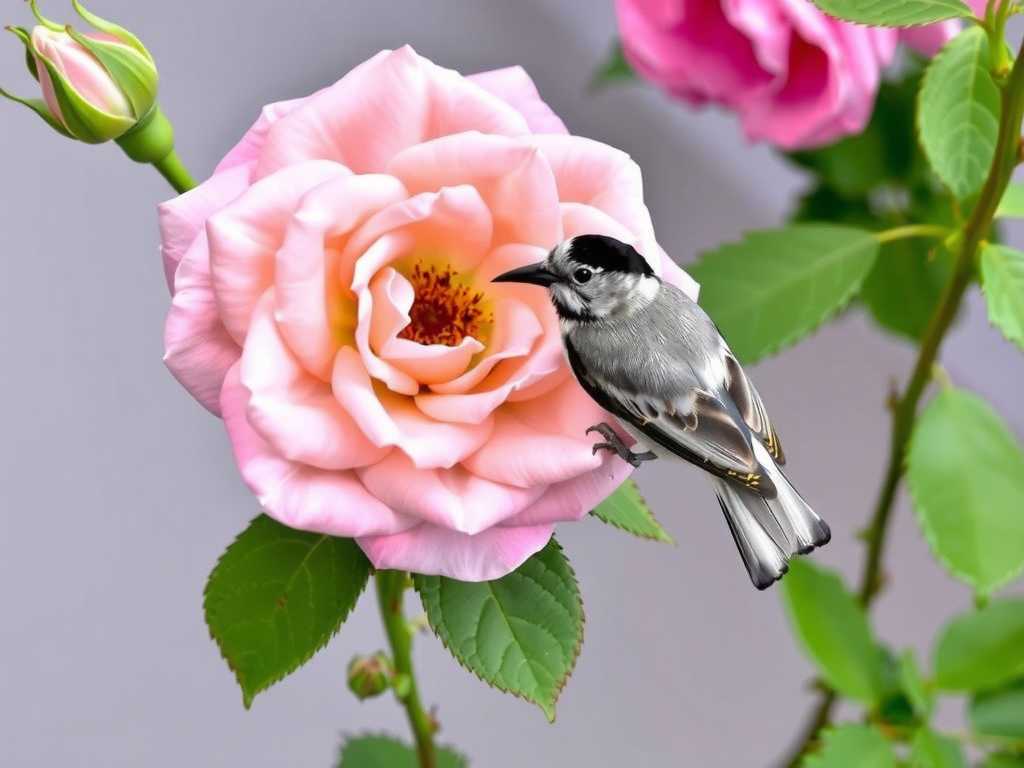
Is bird netting a good option for balconies? It can be, but caution is needed. Bird netting must be taut and securely fastened. Loose netting is a major entanglement hazard for birds, wildlife, and even pets. On my compact balcony, I found the smaller, targeted cloches to be safer and less obtrusive.
Do homemade spicy sprays (like chili pepper) deter birds? Birds lack the receptors to feel "heat" from capsaicin like mammals do. While it might deter squirrels, it is largely ineffective against birds. I tested a chili-garlic spray and observed no change in bird interest. Focus on physical barriers and alternative feeding instead.
Watching birds enjoy your balcony is one of the joys of urban gardening, but not at the expense of your hard-won roses. The journey to prevent bird damage to balcony rose seedlings doesn't require a war, just smart strategy. By combining a secure physical barrier for your most vulnerable plants with a strategic distraction feeder, you create a harmonious space where both your seedlings and local wildlife can coexist. My two-week experiment taught me that persistence and a multi-layered approach are key. Start with these tactics, observe what works for your unique space, and get ready to enjoy your beautiful, bird-resistant blooms.
发表评论