 admin
admin How to Grow Roses in Vertical Planters on Narrow Balconies
My narrow balcony used to be a sad, empty space. I craved the lush beauty of roses but had no ground to plant them in. The classic image of sprawling rose bushes felt like a distant dream. That’s when I discovered the magic of vertical gardening. If you're like me, dreaming of fragrant blooms but wrestling with limited square footage, learning how to grow roses in vertical planters is your game-changer. It’s a space-efficient, stunning solution that turns a blank wall into a living tapestry. Over the past two years, I've transformed my own cramped balcony into a vertical rose haven, and I'm here to guide you through every step, including the mistakes I made so you can avoid them.
Why Vertical Planters Are Perfect for Small Balconies
Space is the ultimate luxury in urban living. A narrow balcony gardening setup demands creativity. Vertical planters, whether pocket panels, tiered towers, or wall-mounted boxes, utilize the often-overlooked vertical plane. According to the American Horticultural Society (AHS), vertical gardening can increase your growing area by up to 400%, a statistic that resonated deeply with my situation. For roses, which generally require good air circulation and sunlight, growing upwards can actually reduce fungal disease issues by keeping foliage off damp surfaces and improving exposure.
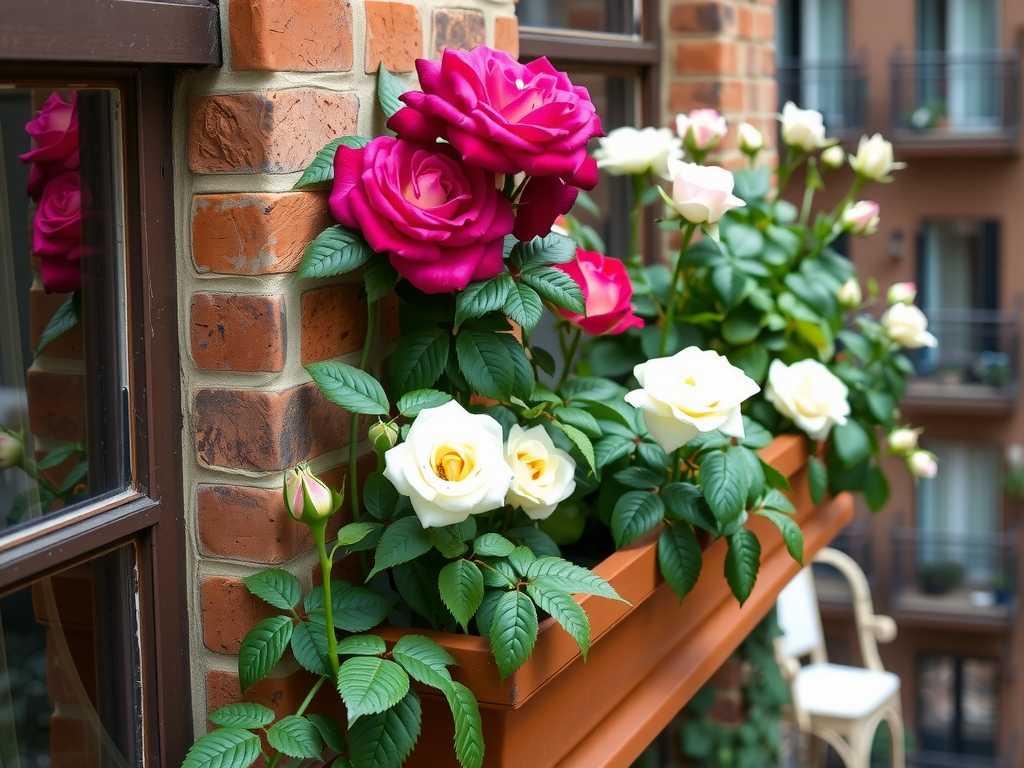
Choosing the Right Roses and Planters for Vertical Growth
Not all roses are created equal for this purpose. My first big mistake was choosing a large, vigorous climber for a shallow planter. It was a disaster waiting to happen.
Selecting Rose Varieties: Focus on patio roses, miniature roses, or certain compact floribundas. Look for terms like "groundcover" or "for containers" on the label. My superstar performers have been 'Sweet Drift' (a prolific pink groundcover rose), 'Sunshine Daydream' (a cheerful yellow miniature), and the ever-reliable 'Flower Carpet' series. These varieties have a manageable root system and a bushy, spreading habit that adapts well to confined spaces.
Picking the Ideal Vertical Planter: The planter is your rose's entire universe. After trial and error, I swear by these two types for a small balcony rose garden:
- Felt Pocket Planters: Great for lightweight growing media and excellent root aeration. Best for one rose per large pocket.
- Sturdy, Self-Watering Vertical Towers: These were my breakthrough. They provide a more consistent moisture level, which is critical for roses. Ensure each planting cell is at least 8-10 inches deep and wide.
Avoid flimsy plastic panels. The weight of wet soil and a mature plant is significant. Invest in a system with robust anchors and UV-resistant materials.
My Step-by-Step Process for Planting and Training
Here is the exact process I followed for my most successful vertical rose display.
Week 1: Setup and Planting
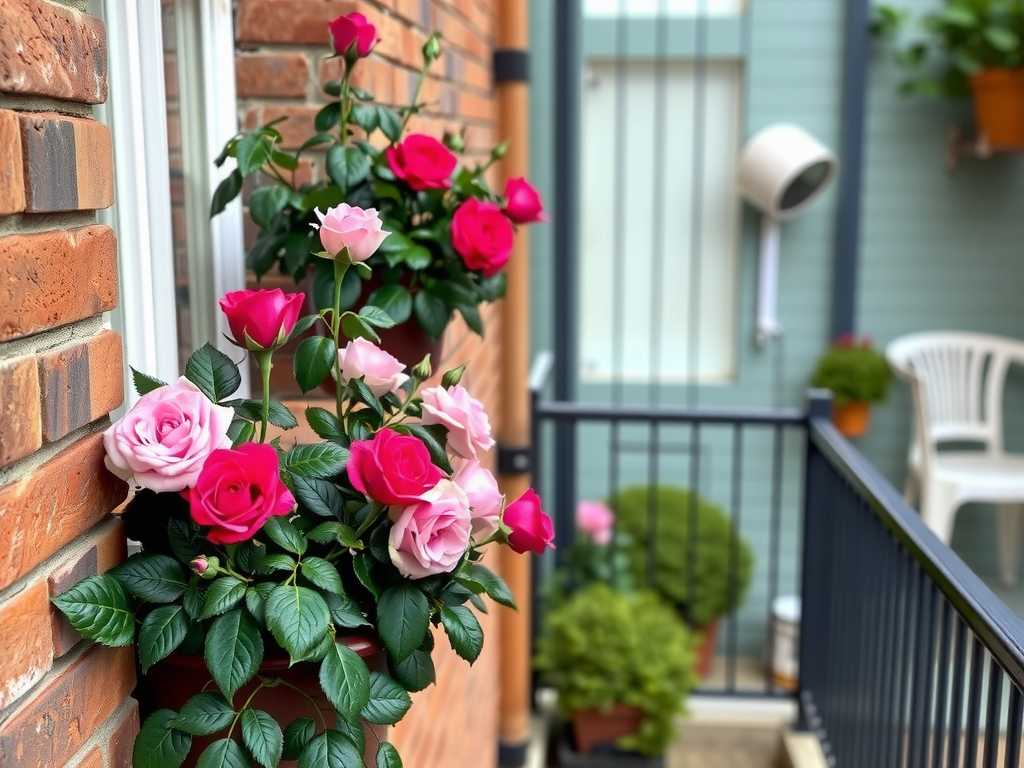
Day 1-2: Assembly and Positioning. I mounted my heavy-duty vertical tower system onto a sturdy, south-facing balcony wall, using masonry anchors for absolute security. This orientation provides the 6+ hours of direct sun roses crave. I placed a drip tray at the bottom to manage runoff.
Day 3: The Planting Mix. This is crucial. Regular garden soil is too dense. I created a custom, well-draining mix:
- 40% high-quality potting mix
- 30% compost (for nutrients)
- 20% coarse perlite (for aeration and drainage)
- 10% worm castings (for slow-release fertility) The Royal Horticultural Society (RHS) emphasizes the importance of free drainage in containers to prevent root rot, and this mix delivers.
Day 4: Planting. I pre-moistened the potting mix. For each planting cell, I gently loosened the rose's root ball and placed it so the graft union (the knobby base) was just above the soil line. I backfilled with the mix, pressed firmly to eliminate air pockets, and gave them a deep, gentle watering to settle the roots.
Day 5-7: Initial Care. I placed temporary shade cloth for the first two afternoons to prevent transplant shock. I did not fertilize at this stage.
Week 2: Observation, Training, and The First Hurdle
Day 8-10: Early Growth and Training. New, green shoots began to appear! As they grew, I used soft plant ties to gently guide stems outward and downward through the tower's openings. This encourages lateral growth and covers the planter frame more quickly. The goal is a cascading, fountain-like effect.
Day 11: The First "Crisis" – Pest Alert. I noticed tiny, green aphids clustering on the tender new buds of my 'Sweet Drift' rose. This is a common issue, especially in confined spaces.
My Solution: I didn't panic. I mixed a teaspoon of mild liquid soap with a liter of water in a spray bottle. Every morning for three days, I thoroughly sprayed the affected buds and undersides of leaves. By day 14, the aphids were gone. This method is recommended by both the AHS and RHS for minor, early infestations and protects beneficial insects.
Day 12-14: Establishing a Routine. I observed the planters drying out faster than expected due to wind and sun exposure on the balcony. I established a finger-test routine: sticking my finger an inch into the soil. If dry, I watered deeply until it ran from the bottom. I also applied a diluted, balanced liquid fertilizer once, as the new growth indicated the roots had settled.
The Two-Week Checkpoint: What I Observed
After 14 days, the transformation was encouraging but taught me patience. The roses showed no signs of transplant shock—leaves were green and turgid. The new shoots had lengthened by about 2-3 inches and were being successfully trained through the frame. The aphid issue was resolved. Most importantly, there were no yellowing leaves or signs of waterlogging, confirming my soil mix and watering routine were on point. I learned that vertical roses need more frequent watering than in-ground plants, but are incredibly responsive to care.
Long-Term Care for Your Vertical Rose Garden
Beyond the initial phase, consistency is key.
Watering: This is the most frequent task. In peak summer, I water almost daily. A drip irrigation system on a timer is a worthy investment I made in year two, saving time and ensuring consistency.
Feeding: Roses are heavy feeders. I follow a "weekly, weakly" approach during the growing season, using a liquid rose fertilizer every 7-10 days. I supplement with a top-dressing of compost every spring.
Pruning and Deadheading: I deadhead spent blooms weekly to encourage more flowers. In late winter, I do a light pruning to remove dead wood and shape the plant within its vertical frame.
Winter Protection: In my climate, I insulate the planters with bubble wrap and move them to the most sheltered part of the balcony. For extremely cold areas, the RHS suggests treating vertical planters as containers and providing root protection.
Common Questions from Fellow Gardeners
Can any rose grow in a vertical planter? No, and this is vital. Avoid large hybrid teas, grandifloras, and rampant climbers. Success lies in choosing varieties specifically bred for containers or small spaces. Always check the mature size on the plant tag.
How often do I really need to water? There's no universal schedule. It depends on your climate, planter material, and sun exposure. The finger-test method is your most reliable tool. In my experience, expect to water significantly more often than garden-bed roses, sometimes twice a day in hot, windy weather.
Will the roots become pot-bound? Eventually, yes. Every 2-3 years, in early spring, I carefully remove the rose, refresh the soil mix in the planter, trim any circling roots, and replant. This gives them a new lease on life and prevents decline.
Growing roses on a narrow balcony isn't just possible; it's profoundly rewarding. It requires careful planning, the right plant choices, and attentive care, especially in the critical establishment phase. The vertical space becomes a dynamic, blooming canvas that changes daily. The fragrance, the bursts of color against your wall, and the sheer joy of harvesting a rose you grew 20 stories up make every bit of effort worthwhile. Start with a single planter and a resilient variety. Learn its rhythms, and soon you'll be looking at every blank wall as a potential garden.
发表评论