 admin
admin How to Harden Off Balcony Rose Seedlings Before Outdoor Planting
There's a special kind of heartbreak for a balcony gardener. You've nurtured your rose seedlings from tiny specks of life, watching their first true leaves unfurl under your careful indoor lights. They look strong, vibrant, and ready for the world. So, you do what feels natural—you move them straight to your sunny balcony, full of hope. Within days, you're left with scorched leaves, stunted growth, and a pot of regret. I've been there. That exact scenario taught me the most critical, non-negotiable lesson in rose cultivation: the absolute necessity of hardening off.
Hardening off balcony rose seedlings is the deliberate, gradual process of acclimating tender indoor-grown plants to the harsh realities of the outdoor environment. It's not just about sunlight; it's about preparing them for wind, temperature swings, and lower humidity. Skipping this step shocks their system, much like jumping into an ice bath after a sauna. This guide is born from my own trials, errors, and ultimate successes. I'll walk you through my proven, step-by-step method, share my two-week observation journal, and most importantly, highlight the pitfalls I stumbled into so you can avoid them.
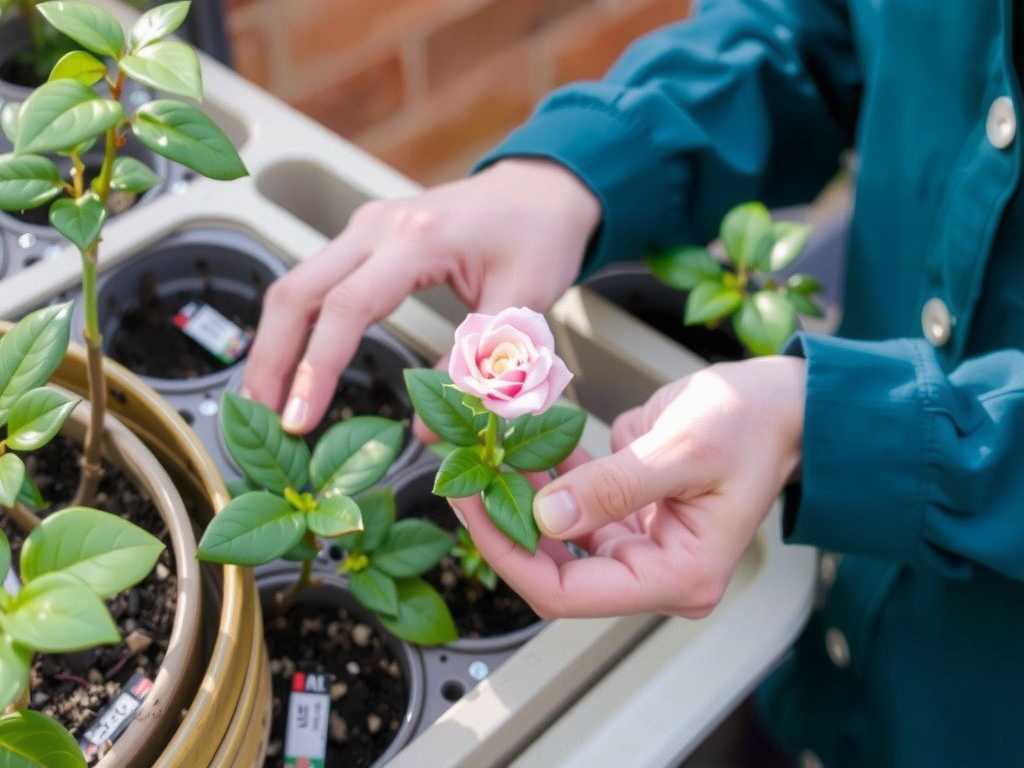
Why You Can't Skip the Hardening Off Process
Think of your seedlings as living in a protective bubble. Indoors, conditions are stable. Light is consistent (even from grow lights), there's no wind to stress their stems, and humidity is often higher. The cuticle on their leaves—the waxy layer that conserves water—is thin and underdeveloped.

The outdoor world is a different beast. The sun's UV intensity can fry those tender leaves in hours. A breeze that feels refreshing to us can whip and desiccate a fragile seedling. According to the American Horticultural Society, transplant shock from inadequate hardening off is a leading cause of early-season plant failure. It forces the plant into survival mode, halting growth and draining energy needed for root and bloom development. For balcony roses destined for containers, a strong start is everything; they need all their vigor to establish in a limited root zone.
My Two-Week Hardening Off Blueprint for Balcony Roses
This isn't a rushed weekend project. I dedicate a full 14 days, and I treat it with the same importance as watering or feeding. Patience here pays back in lush growth and early buds.
Week 1: The Gentle Introduction
My goal for the first week is to introduce the seedlings to outdoor elements in the mildest way possible, with zero direct sun initially.
- Days 1-3: The Shady Start. I choose a completely shaded, wind-protected spot on my balcony. This might be against a north-facing wall or under a solid table. For just 1-2 hours in the late afternoon (the mildest part of the day), I place my seedling trays there. I don't water right before moving them; I want them to experience a slight, natural dry-down cycle. I set a timer so I don't forget to bring them in. This feels almost too simple, but it's the foundational step.
- Days 4-7: Building Tolerance. I gradually increase their outdoor time by 1-2 hours each day, still in full shade. By day 7, they're spending 5-6 hours in their sheltered spot. I start to introduce them to very gentle, filtered morning light—perhaps the dappled light under a taller, leafy plant. I begin to feel the breeze on their leaves, checking that they aren't wobbling excessively. At this stage, I monitor soil moisture closely, as the outdoor air can dry pots faster than indoors.
Week 2: Embracing the Sun and Elements
Now we carefully introduce the key ingredient: sunlight.
- Days 8-10: The First Taste of Sun. I now place the seedlings in a spot that receives gentle morning sun for about 30-60 minutes. The rest of their outdoor time remains in bright shade. I observe the leaves like a hawk. Any sign of whitening or curling at the edges means I've moved too fast, and I pull them back to shade for another day. I also stop fertilizing a week before starting this process and won't resume until they are fully acclimated, as tender new growth from fertilizer is extra-susceptible to burn.
- Days 11-14: Full Acclimation. I incrementally increase their direct sun exposure by an hour each day. After their morning sun session, I move them back to bright shade. By the end of day 14, my goal is for them to tolerate 5-6 hours of direct sunlight—mimicking their eventual permanent spot on the balcony. They are now also outside for most of the day and only come in if an unseasonably cold night (below 50°F/10°C) is forecast.
My Real Observations: A Two-Week Log
Keeping a simple log was a game-changer. It moved me from guessing to knowing.
- Days 1-3: No visible change in the plants, which is good! The stems felt firm. This confirmed the shaded start was stress-free.
- Day 5: Noticed the stems, especially lower down, looked slightly thicker and less "leggy." The leaves felt a bit more leathery to the touch—a sign the cuticle was beginning to thicken.
- Day 8 (First Morning Sun): A tense day. One seedling's top leaves showed very slight paling. I immediately moved it back to pure shade for the next 48 hours while its siblings continued. This individual needed a slower pace.
- Day 12: The difference was remarkable. The plants stood upright confidently in the breeze. Their green color was deeper, richer, and more matte compared to the glossy, brighter green of their purely indoor counterparts. New growth was emerging and looked robust, not delicate.
- Day 14: They were ready. I transplanted them into their final large containers on the balcony. Unlike previous years where transplanted roses would wilt and pause, these showed no signs of shock. They continued growing steadily within days.
The Pitfalls I Encountered (And How to Fix Them)
My journey wasn't flawless. Here are the mistakes that taught me the most.
-
The "Sunny Day" Overconfidence Trap: Once, on a beautifully calm, cloudy day, I thought, "They'll be fine all day." I left them out for 8 hours. The next day, even without direct sun, the leaves were wilted and stressed. The constant outdoor humidity and air movement were still a shock.
- The Fix: Stick to the incremental schedule regardless of cloud cover. Wind and humidity are independent factors from sunlight.
-
Ignoring the Nighttime Chill: I focused so much on daytime sun that I forgot about temperature drops. One early spring, I left them out too late and a cool night (around 45°F/7°C) set them back significantly, causing leaf purpling.
- The Fix: Always check the nighttime low forecast. If it's dipping near 50°F (10°C), bring them in. A plant's ability to handle cool temps develops more slowly than its sun tolerance.
-
The Watering Mismatch: I was using my indoor watering schedule outdoors. The wind and sun dried the soil much faster, and I briefly underwatered, causing slight wilt.
- The Fix: I started doing a daily "knuckle test" on the soil during the hardening off period. Outdoor conditions demand more frequent checks. Water in the morning so leaves dry before evening, reducing disease risk.
-
Crowding the Seedlings: I had trays too close together. This restricted air flow and created a damp microclimate, and I spotted the first signs of powdery mildew on one leaf.
- The Fix: I immediately spaced the pots out to allow maximum air circulation and removed the affected leaf. Good airflow is a critical part of the hardening-off process.
Frequently Asked Questions
Can I use a cold frame or shade cloth instead? Absolutely. A cold frame on a balcony is a fantastic controlled environment for hardening off. You can prop the lid open for increasing intervals. A 40-50% shade cloth suspended above your seedlings is also an excellent tool, especially for sun-sensitive varieties. It allows you to give them longer outdoor time while diffusing the sun's intensity.
What if the forecast calls for a week of rain or harsh weather during my planned hardening-off time? Pause the process. Keep the seedlings indoors under bright light. It's far better to delay than to expose them to driving rain or strong winds that can physically damage them. Resume your schedule once the bad weather passes, potentially repeating the last day or two before the interruption.
My leaves have some sun scorch or wind damage. Are the seedlings ruined? Not necessarily. If the growing tip is intact and the damage is minor (less than 20% of leaves affected), simply move the plant back to a more protected stage for 3-4 days. Trim off the badly damaged foliage with clean snips. The plant will often recover, though it may be set back by a week. This is a learning moment for calibrating your pace.
Hardening off balcony rose seedlings requires a shift in mindset from protector to coach. You're not shielding them from every challenge; you're strategically building their resilience. Those two weeks of diligent, gradual exposure are an investment that pays dividends all season long in the form of stronger stems, more abundant blooms, and a plant capable of thriving in its beautiful, exposed balcony home. The reward is watching a plant you nurtured from seed not just survive, but confidently flourish in the open air.
发表评论