 admin
admin How to Select Rose Varieties Suitable for South-Facing Balconies
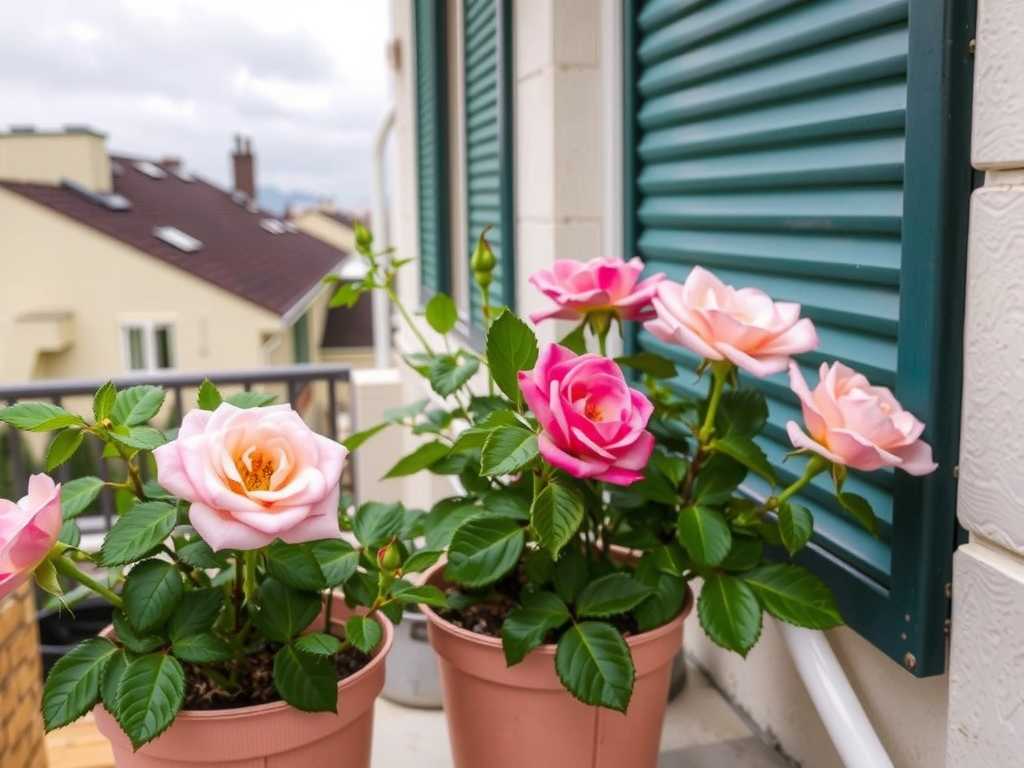
I love my south-facing balcony. It’s my personal slice of sunshine, a place where I imagined a lush, blooming paradise. But as a passionate plant enthusiast, I quickly learned that all that glorious sun is a double-edged sword, especially for roses. Choosing the wrong variety meant watching my precious plants struggle, fry, or simply refuse to bloom. After years of trial, error, and careful observation, I’ve cracked the code on selecting the perfect roses for a hot, sunny south-facing exposure. Let me guide you through the exact process I use, so you can avoid the heartache and create a stunning, resilient balcony rose garden.
My journey wasn't smooth. I started with a beautiful hybrid tea rose, lured by its classic form. Within days on my south-facing balcony, its delicate petals scorched, leaves yellowed, and it became a magnet for spider mites. It was a clear mismatch. This experience cemented my mission: to find roses that don’t just survive, but truly thrive in intense, all-day sunlight. The key is understanding that "full sun" on a south-facing balcony is often more extreme than in a garden. It’s amplified by radiant heat from walls and flooring, creating a microclimate that demands specific traits.
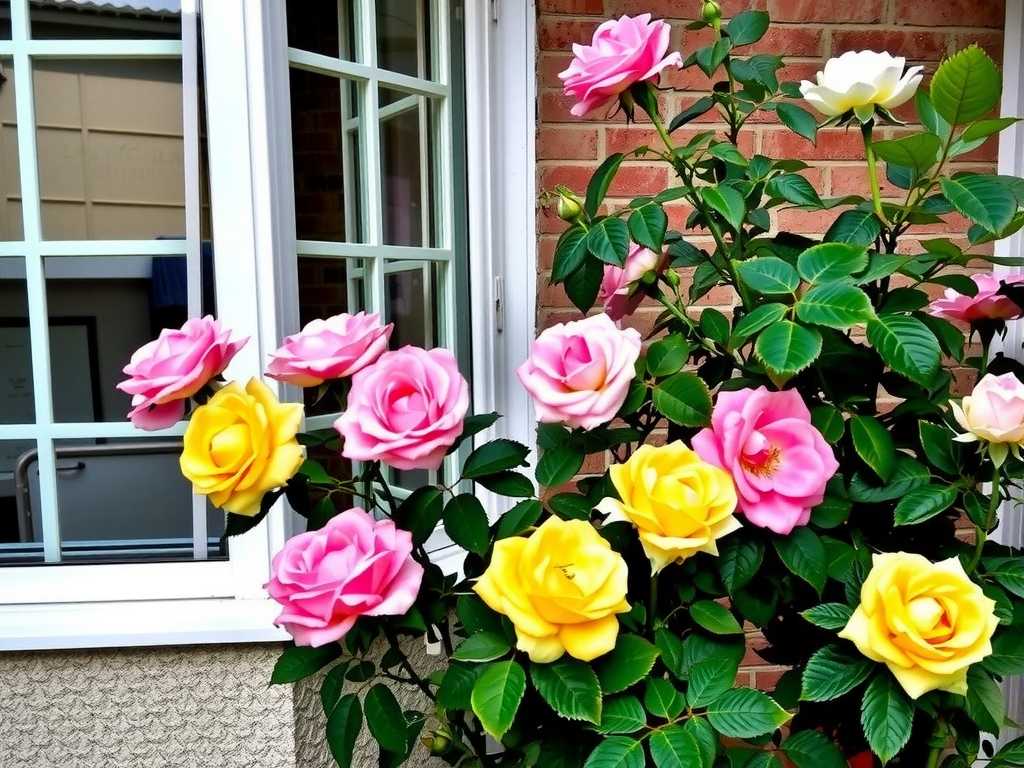
Understanding Your South-Facing Balcony Microclimate
Before you even look at a rose catalog, you need to become a detective in your own space. A south-facing balcony in Arizona faces different challenges than one in London, even with the same sun exposure.
I spent two weeks simply observing. I tracked the sun patterns: when did direct light hit? For how long? My balcony gets relentless, unfiltered sun from 10 AM until sunset. I measured temperature variations using a simple thermometer. On a 75°F (24°C) day, the temperature near my ceramic pots could soar above 90°F (32°C). This heat stress is a primary killer of ill-suited roses.
The Royal Horticultural Society (RHS) notes that while most roses require a minimum of six hours of sun, some are exceptionally tolerant of high heat and intense light. This was my new filter. I wasn’t just looking for “sun-loving” roses; I was hunting for “heat-tolerant and sun-resistant” varieties.
The Non-Negotiable Traits for South-Facing Success
Through my experiments, I identified three non-negotiable characteristics. Any rose I consider now must check these boxes.
First, excellent disease resistance is paramount. Stressed plants are vulnerable. Mildew and black spot love humidity but can also exploit heat-weakened plants. The American Rose Society’s (ARS) ratings became my bible. I prioritize varieties with top marks for disease resistance, as they redirect energy from fighting illness into blooming and withstanding heat.
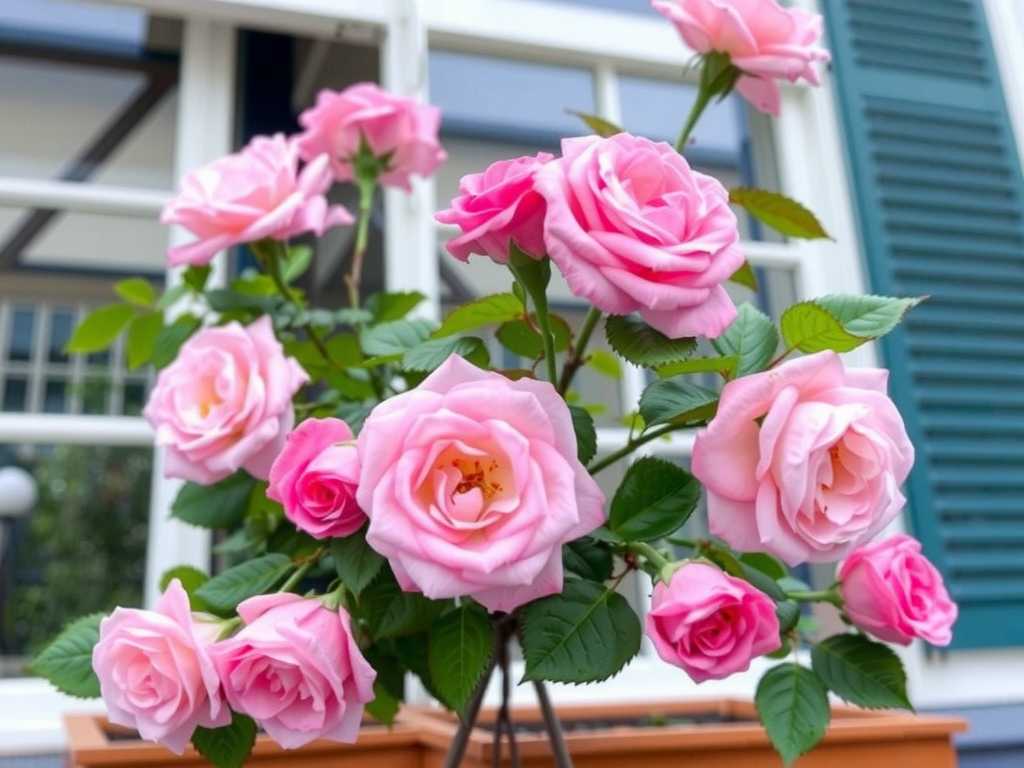
Second, strong heat tolerance. This goes beyond liking sun. Can the blooms hold their color without fading or burning? Does the foliage remain robust? I look for descriptions like “sun-fast,” “heat-tolerant,” or “holds color well in hot climates.”
Third, reliable repeat blooming. For a balcony, we want a continuous show. Once-blooming roses, no matter how beautiful, leave gaps in our small-space displays. Floribundas, many shrub roses, and certain climbers are champions of repeat performance.
My Hands-On Selection and Testing Process
Here is the exact step-by-step process I followed for my last successful selection.
Step 1: Research with Precision. I started with lists from authoritative sources. The RHS “Award of Garden Merit” (AGM) list is a fantastic starting point, as it denotes proven garden performance. I cross-referenced this with the ARS ratings, focusing on regions known for heat, like the Texas A&M AgriLife Extension recommendations. My core long-tail keyword here was “heat tolerant rose varieties for containers.” I searched for this and related terms like “roses for hot patios” and “container roses for full sun.”
I shortlisted five candidates: ‘Lady of Shalott’ (Austin), ‘Knock Out’ (Shrub), ‘Iceberg’ (Floribunda), ‘Sally Holmes’ (Climber), and ‘Carefree Beauty’ (Shrub).
Step 2: The Nursery Visit & Plant Inspection. I never buy blind. I went to a reputable nursery and physically examined each shortlisted variety. I looked for plants with deep green, glossy foliage (a sign of health), checked the base for multiple canes (for a fuller plant), and inspected thoroughly for any pests. I asked the nursery staff about their experience with these varieties in local conditions.
Step 3: The Two-Week Acclimation & Observation Period. This is the most critical phase. I brought home my final two choices: ‘Knock Out’ and ‘Lady of Shalott’. I placed them on my south-facing balcony in their nursery pots, but not in their final positions immediately.
Week 1 Observation: The first three days were about acclimation. I placed them in a spot that received morning sun but was shaded during the harshest afternoon heat. I watered deeply in the early morning, ensuring the root ball was saturated. By day four, I moved them into their intended full-sun spots. I monitored leaf turgidity daily. The ‘Knock Out’ showed zero stress—its leaves remained perfectly perky. ‘Lady of Shalott’ showed very slight wilting on one particularly hot afternoon (95°F/35°C ambient, pot temperature likely higher).
The Problem & Solution: The slight wilting on ‘Lady of Shalott’ signaled a need for adjusted care. The issue wasn’t the plant’s inability to handle sun, but that the root system in the small nursery pot was heating up and drying out too fast. My solution was two-fold: First, I double-potted it. I placed the nursery pot inside a larger, light-colored ceramic pot, with an air gap between them. This insulated the roots from radiant heat. Second, I added a thin layer of light-colored pebble mulch on the soil surface to reduce evaporation and soil temperature. Within 48 hours, the wilting stopped completely.
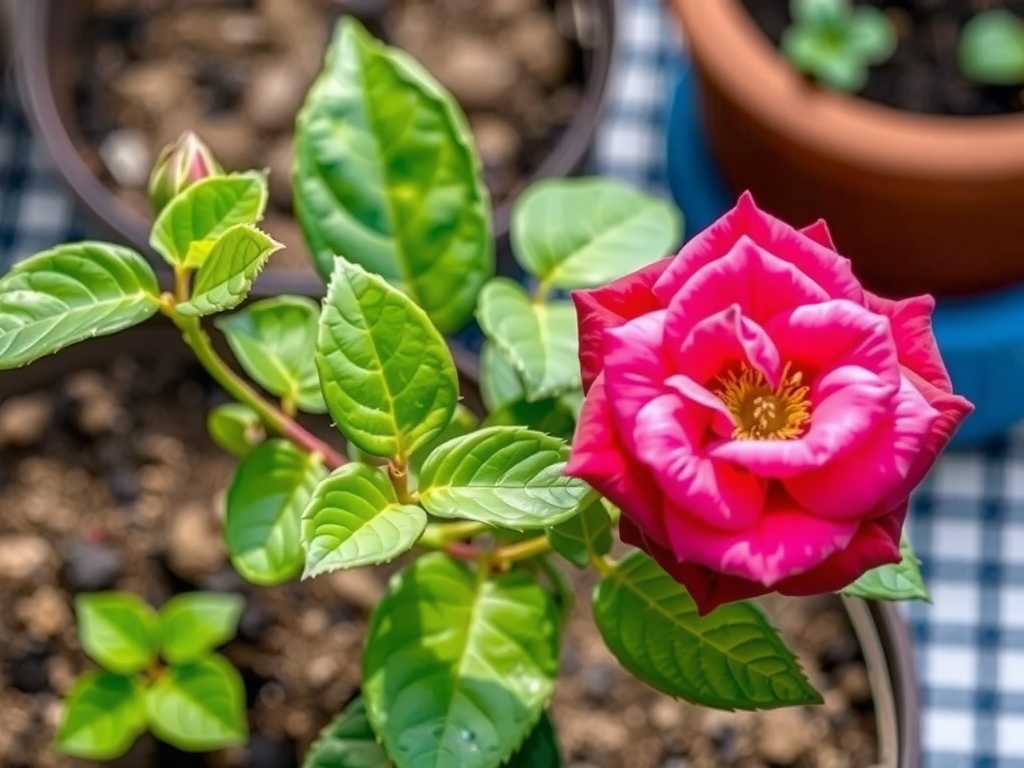
Week 2 Observation: With the mitigation strategy in place, both plants thrived. New buds formed on both. The ‘Knock Out’ began showing its first brilliant red bloom, which held its color perfectly for over five days without scorching. ‘Lady of Shalott’ pushed out new, healthy copper-tinged foliage. No signs of black spot or mildew appeared. This confirmed their disease resistance and heat tolerance for sunny balconies.
Step 4: Final Planting & Long-Term Care. After the successful two-week trial, I planted them in large, deep containers (at least 18-24 inches wide) with a premium, well-draining potting mix amended with compost. I ensured each pot had massive drainage holes. I continued morning watering and began a bi-weekly, balanced liquid fertilizer regimen.
Top Rose Variety Recommendations for South-Facing Balconies
Based on my hands-on experience, these are my top-performing categories and specific varieties:
Floribundas & Modern Shrub Roses: These are your workhorses. They are bushy, produce clusters of blooms, and are generally bred for toughness.
- ‘Knock Out’ Series: My top pick for sheer indestructibility. It blooms non-stop, has exceptional disease resistance, and its flowers are truly sun-fast. It’s the epitome of a low maintenance rose for full sun.
- ‘Iceberg’: A classic white floribunda. It’s incredibly vigorous, repeat-blooms profusely, and its white flowers actually reflect sunlight, preventing burn.
English/Austin Roses (Selectively): While some can be prone to balling in heat, many are superb.
- ‘Lady of Shalott’: As tested, with minor care adjustments (double-potting), it performs spectacularly. Its apricot-yellow blooms are stunning and fragrant, and it shows remarkable vigor in heat.
Small-Climbing or Pillar Roses: Perfect for adding height on a sunny balcony wall.
- ‘Sally Holmes’: A superstar. It produces massive clusters of single, creamy-white blooms that seem to glow in the sun. It’s remarkably disease-resistant and vigorous.
Essential Balcony Rose Care Tips
Your choice of variety is 70% of the battle. The remaining 30% is tailored care.
- Potting: Always use the largest pot possible. More soil volume buffers temperature and moisture fluctuations.
- Watering: Deep, morning watering is non-negotiable. Avoid wetting the foliage to prevent disease. Drip irrigation or self-watering pots can be game-changers.
- Feeding: Container roses are heavy feeders. Use a slow-release fertilizer at planting and supplement with liquid feeds during the growing season.
- Sun Management: In peak summer, consider a temporary shade cloth during the hottest two hours of the afternoon to prevent extreme stress, even for tolerant varieties.
Frequently Asked Questions
Can I grow hybrid tea roses on a south-facing balcony? You can, but it’s a high-maintenance challenge. Many have poor heat tolerance and disease resistance. If you insist, choose modern varieties specifically bred for disease resistance, provide extra-deep pots, vigilant watering, and likely some afternoon shade. I generally recommend starting with tougher shrub or floribunda types.
How often should I water my balcony roses in summer? There’s no one schedule. It depends on pot size, weather, and the plant. The best method is the finger test: stick your finger 2 inches into the soil. If it’s dry, water deeply until it runs out the bottom. In peak heat, this could be daily for smaller pots. My large pots often need water every other day.
My rose’s leaves are turning yellow. Is it too much sun? Not necessarily. Yellowing leaves (chlorosis) on a south-facing balcony are often due to watering issues—either too much (soggy roots can’t absorb nutrients) or, more commonly, too little. It can also be a sign of nutrient deficiency, as frequent watering leaches fertilizer. Rule out watering first, then consider a balanced feed.
Creating a thriving rose garden on a south-facing balcony is deeply rewarding. It requires a shift in mindset—from simply choosing the prettiest bloom to selecting the toughest performer. By prioritizing proven, heat-tolerant, and disease-resistant varieties, and then pairing them with mindful care that acknowledges your unique microclimate, you can transform that blazing sunny spot into a breathtaking oasis of continuous color and fragrance. Start with a resilient variety like ‘Knock Out’, master its care, and then expand your collection from there. Your future self, relaxing amidst blooming roses on a sunny afternoon, will thank you.
发表评论