 admin
admin How to Select Rose Varieties Suitable for North-Facing Balconies
I love roses. Their fragrance, their blooms, they’re the crown jewel of any garden. But for years, my north-facing balcony felt like a lost cause. It’s a space of gentle, indirect light, cool and shaded for most of the day. Every gardening book seemed to shout that roses demand "full sun," leaving me and my shady retreat feeling utterly defeated. If you’re in the same boat, staring at your dim balcony and dreaming of roses, I’m here to tell you it’s absolutely possible. The secret isn’t a magic fertilizer; it’s in how to select rose varieties suitable for north-facing balconies. It’s a specific skill, and after much trial, error, and glorious success, I want to guide you through the exact process I used.
My journey wasn't instant. It involved careful selection, a structured two-week observation period, and learning from some classic mistakes. Let’s walk through how you can transform your shaded space into a rose haven.
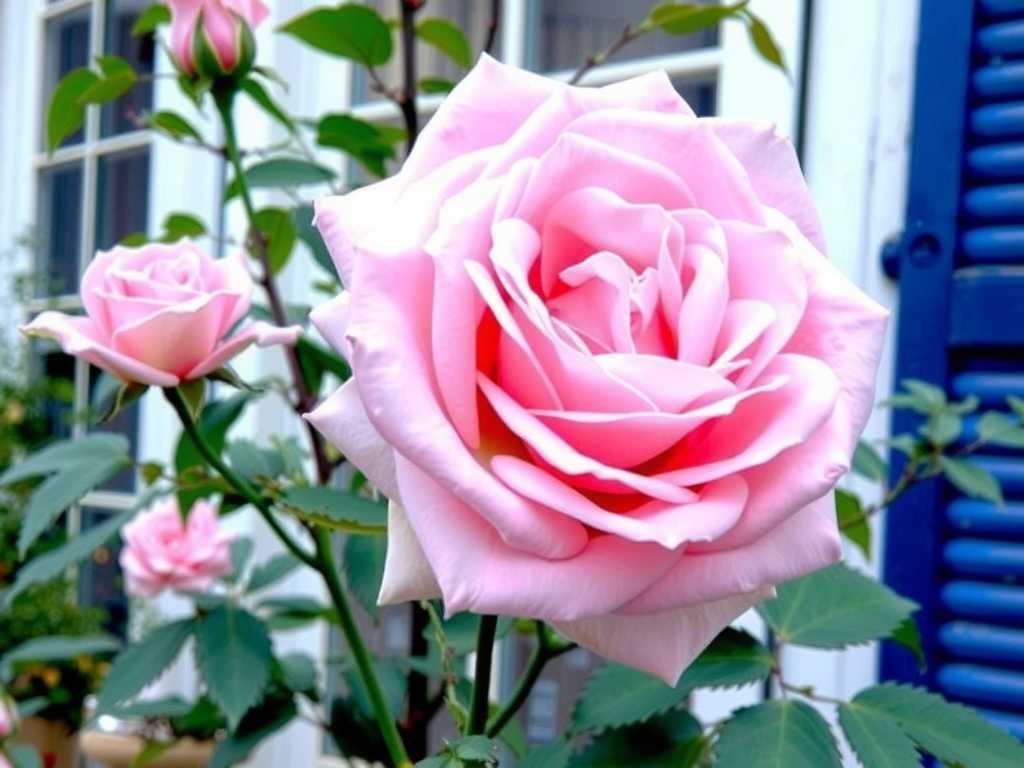
Understanding Your North-Facing Microclimate
Before you even look at a rose catalog, you must become a detective of your own space. A north-facing balcony in Seattle is different from one in New York. For two weeks, I committed to a simple observation ritual.
Each day, at 9 AM, 12 PM, and 4 PM, I would note the light quality. I used a simple light meter app on my phone to get objective data. What I found was enlightening. My balcony received no direct, harsh midday sun. Instead, it was bathed in bright, ambient light for about 4-5 hours in the late morning and early afternoon—what gardeners call "bright shade." It was also noticeably cooler and less prone to the soil drying out rapidly.
This is crucial. The best roses for low light conditions aren’t roses that thrive in darkness; they are varieties exceptionally tolerant of lower light intensity and cooler temperatures. They prioritize disease resistance, as shade and dampness can encourage mildew. The American Rose Society (ARS) emphasizes that in less-than-ideal light, choosing varieties with proven disease resistance is not a suggestion—it’s a requirement for success.
My Selection Criteria: The Non-Negotiables
Armed with my two weeks of microclimate data, I established three non-negotiable criteria for my shade tolerant rose selection.
First, disease resistance was paramount. Black spot and powdery mildew thrive in cool, damp, still air—the exact profile of many north-facing spaces. I prioritized roses consistently awarded the ARS’s "Excellent Disease Resistance" rating.
Second, I looked for growth habit and size. My balcony has limited space. Rambling, giant shrub roses were out. I needed compact, well-behaved floribundas, patio roses, or smaller shrub varieties that would thrive in containers without feeling cramped.
Third, I sought proven performance in partial shade. I scoured rose forums, databases from reputable nurseries like David Austin, and publications from the Royal Horticultural Society (RHS). The RHS specifically lists categories like "roses for shade" and notes that many albas and some hybrid musks perform remarkably well with only 4-5 hours of sun.
The Champions: Varieties I Tested and Why
After extensive research, I selected three potted bare-root roses to test. My two-week observation period began the day they arrived.
1. ‘Sweet Drift’ (Groundcover Rose) This was my sleeper hit. A low-growing, spreading rose, it’s often marketed as a groundcover. In a wide, shallow pot, it was perfect. The RHS notes its exceptional disease resistance. I observed it for two weeks. While growth wasn’t explosive, the existing foliage remained a deep, healthy green. Not a single yellow leaf or spot appeared, even when I noticed a bit of condensation on the leaves in the cool mornings. It adapted seamlessly.
2. ‘The Albrighton Rambler’ (David Austin Climbing Rose) A calculated risk. While "rambler" suggests size, this Austin rose is more manageable. I trained it on a small, narrow trellis against the back wall. The key here was light reflection. The pale wall acted as a light amplifier. Over my observation fortnight, I watched the new tendrils slowly but steadily reach for the brightest area. The buds that came with the plant held firm and didn’t drop—a great sign of acclimation.
3. ‘Kew Gardens’ (Shrub Rose) A floribunda-type with clusters of small, single white flowers. It was the star for rose gardening in indirect sunlight. Its foliage was less dense than others, allowing what light there was to penetrate the canopy. During my 14-day watch, it pushed out the most new, red-tinged growth. It clearly channeled energy into adaptation rather than fighting disease.
The Pitfalls I Encountered (And How to Fix Them)
It wasn’t all smooth sailing. I made two critical mistakes early on.
Pitfall 1: Overwatering in the Name of Love. Shady soil dries out much slower. Eager to care for my new plants, I watered on a sunny-schedule, not a shade-schedule. By day 10, ‘The Albrighton Rambler’ showed slight yellowing on lower leaves—a classic sign of overwatering. I immediately stopped. I bought a simple moisture meter. The fix? I learned to water only when the top two inches of soil were dry to the touch, which became about 30% less frequent than my south-facing plants.
Pitfall 2: Ignoring Airflow. Still air is a fungus’s best friend. My balcony, while open, was somewhat sheltered. I noticed the very beginnings of a powdery, white film on one leaf of ‘Sweet Drift’ in the second week. I didn’t panic. First, I gently removed the affected leaf. Then, I strategically placed a small, oscillating fan on the balcony for a few hours each day, set on low. This simple mimicry of a gentle breeze made a dramatic difference. The fungus did not spread, and the plant’s overall vigor improved as strengthened stems developed.
Planting and Ongoing Care for Success
Planting is just the start. Based on my experience, here’s your action plan.
Use an oversized container with brilliant drainage. I add a layer of broken pottery or gravel at the bottom. My potting mix is a high-quality, loamy blend with added perlite for extra drainage—critical for our damp environment.
Feeding is gentle but consistent. I use a balanced, organic liquid fertilizer at half-strength every 4 weeks during the growing season. Strong fertilizers in low light can force weak, spindly growth.
Pruning is about light management. I prune more for shape and to open up the center of the plant than for sheer size control. Removing inward-growing branches allows every precious photon of light to reach the interior leaves, boosting the plant’s overall energy production.
Seeing the Results: Patience is Rewarded
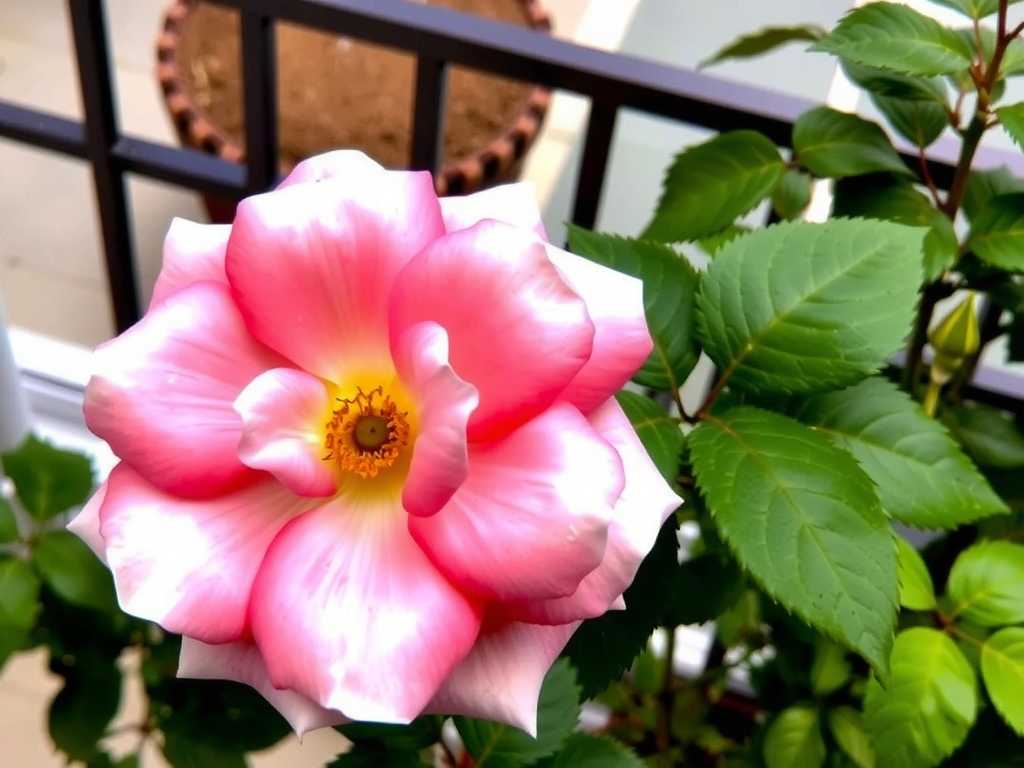
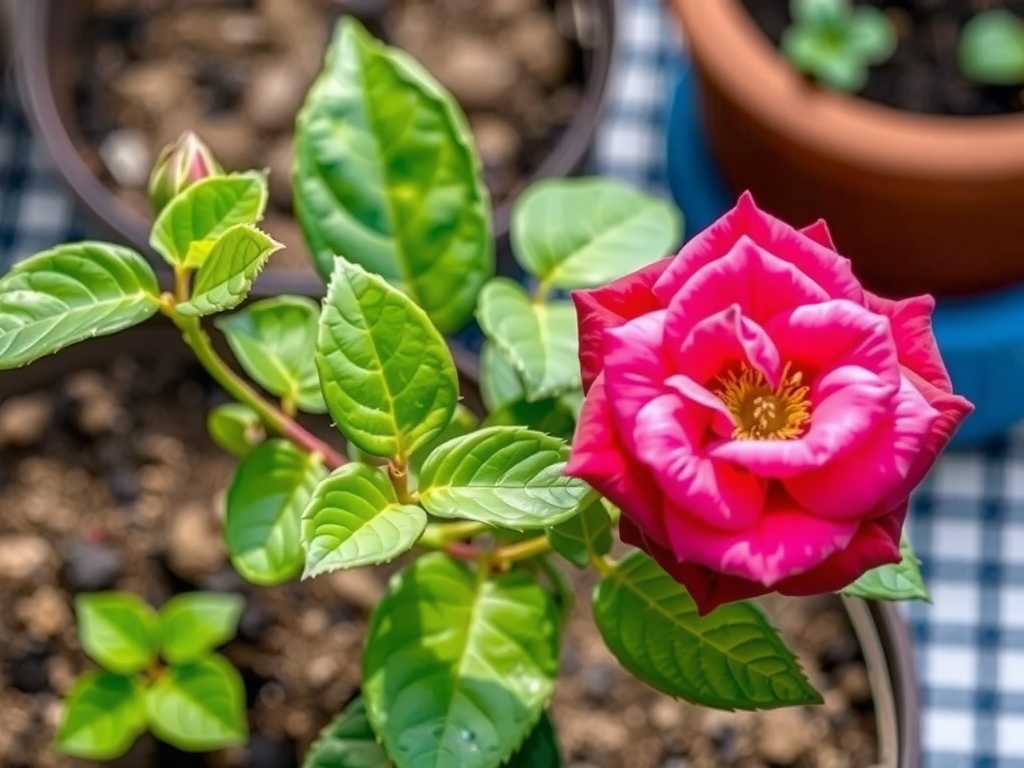
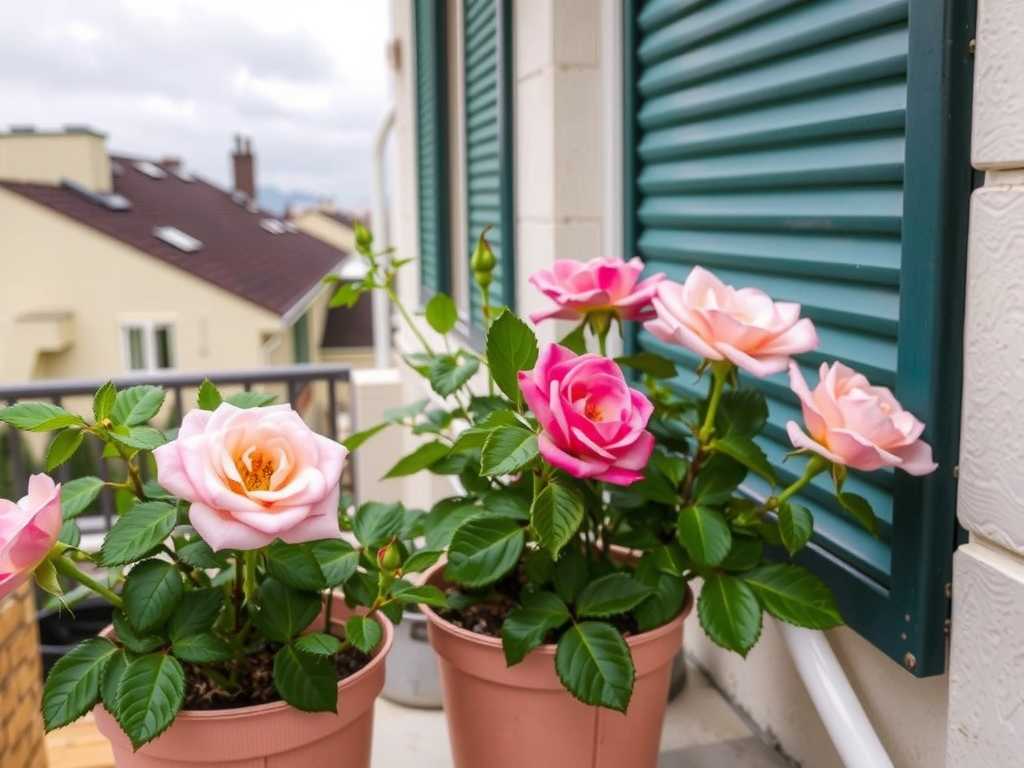
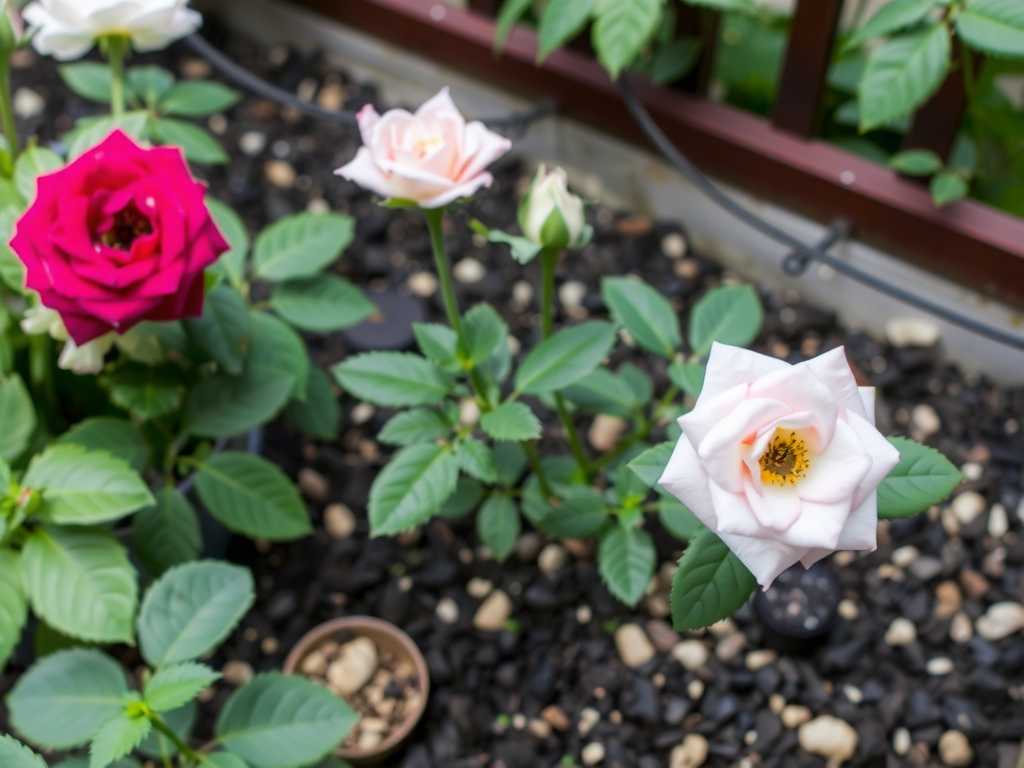
The two-week observation period was about acclimation, not bloom. But it set the stage. About six weeks after planting, ‘Kew Gardens’ erupted in a cloud of delicate white blossoms. ‘Sweet Drift’ covered itself in clusters of soft pink blooms. Even ‘The Albrighton Rambler’ sent out several perfect, rosette-shaped flowers. They bloomed slightly later than my sun-drenched friends, but the flowers lasted longer, unfaded by harsh sun. The joy was immeasurable. I had a thriving rose garden, all on my north-facing balcony.
Common Questions from Fellow Shade Gardeners
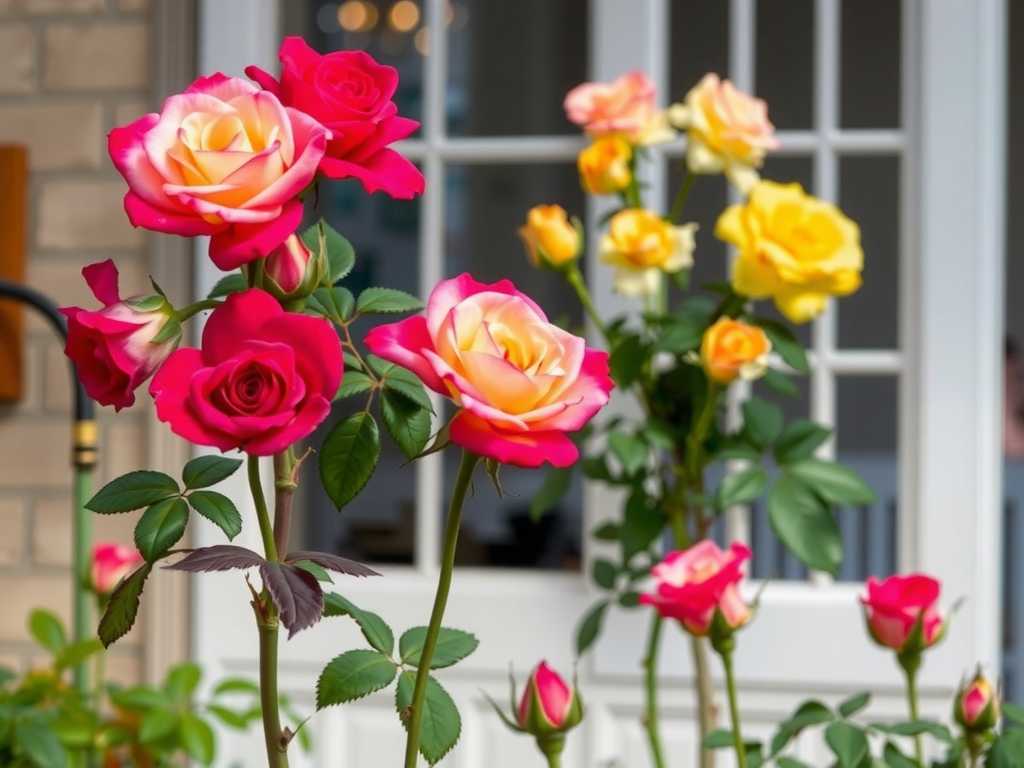
Will I ever get as many blooms as in full sun? Realistically, no. The bloom count might be lower, but the quality is exceptional. The flowers often have richer color depth and last significantly longer on the plant and as cut flowers because they aren’t being baked by the sun.
Can I grow hybrid tea roses in shade? I would strongly advise against it. Most hybrid teas are the ultimate sun divas. They will become leggy, weak, and magnetically attractive to every disease. Stick to the proven performers: shrub roses, some old garden roses (like Albas), groundcover roses, and floribundas known for shade tolerance.
Is morning sun better than afternoon sun for these roses? If you have a choice, morning sun is generally preferable on a north-facing balcony. It’s gentler and helps dry the dew from leaves, reducing disease risk. However, any bright, indirect light for several hours is the true goal. My balcony gets afternoon ambient light, and with the right variety and care, it works beautifully.
Choosing the right rose for a north-facing balcony is a lesson in working with nature, not against it. It requires careful selection, mindful observation, and a shift in care routines. But the reward—the sight of a perfect rose blooming gracefully in the soft, cool light of a shaded balcony—is a unique and deeply satisfying triumph for any plant lover. Your shady corner is not a limitation; it’s a specialized canvas waiting for the right kind of beauty.
发表评论